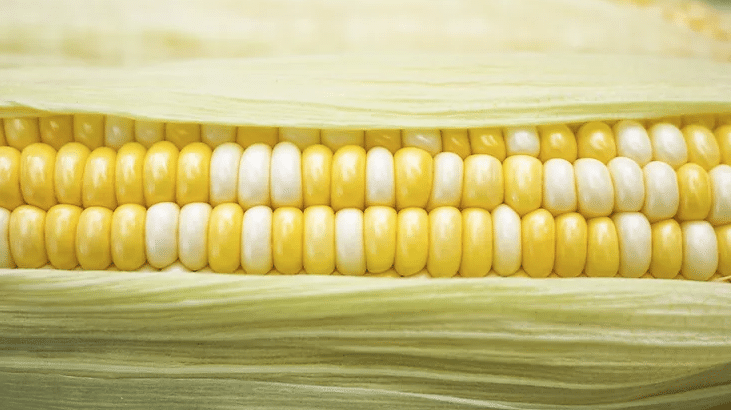
“Starches, including cereals, have become very popular among Homo sapiens. Ungerminated cereals have very low nutritional value and are acidifying, cause weight gain, are difficult to digest, and turn into sticky starch. The reason we feed our livestock and pigs with cereals is to fatten them up for better sales.”
Dr. Robert Morse
"One must keep the stomach free to think well."
Voltaire
Prehistorically
Since the Neolithic, about 12,000 years ago, humans have gradually transitioned from a nomadic hunter-gatherer lifestyle to a sedentary life organized around agriculture. While for two million years humans and related species primarily consumed fruits, vegetables, nuts, and some animal products (the meat proportion was greater for tribes living near the poles), our species completely altered its diet by moving out of the Paleolithic and primarily deriving its energy from the consumption of starches. These are foods rich in starch such as cereals (wheat, rice, corn, barley, oats, millet, sorghum, etc.), pseudo-cereals (buckwheat, quinoa, amaranth, etc.), legumes (lentils, soy, beans, peas, fava beans, etc.), tubers & roots (potatoes, sweet potatoes, Jerusalem artichokes, cassava, yams, taro, cassava, arrowroot, etc.), and certain fruits (chestnuts, green bananas, etc.). This unprecedented dietary change had direct consequences in terms of health, and many pathologies began to appear, including dental issues (see this article on dental hygiene).
To learn more about this evolution of human dietary habits, read this article on plant-based and living nutrition.
Glucose versus Fructose
Today, the consumption of starches still represents, according to studies conducted in France, about half of caloric intake. However, starch is a complex sugar (a chain of glucose) that cannot be used in its raw form by the body. It must first be broken down into simple glucose molecules through the action of an enzyme, amylase, which acts in the mouth (hence the importance of taking the time to chew well) and in the intestines. Then, the pancreas produces insulin, a hormone that allows glucose to enter cells to be used for energy production and thus contribute to proper cellular function. It is much more economical (biologically speaking) to consume fructose (the predominant sugar in fruits) because it has the property of entering cells directly (by diffusion) without needing intermediaries like enzymes and hormones. This represents an energy saving, avoids hyperglycemia, and does not unnecessarily fatigue the pancreas. The only “advantage” of starches (also applicable to animal products) is that they have allowed humanity to live outside the tropics (a region where, in general, one would like to spend their holidays or retirement), where there are not enough fruits to sustain oneself exclusively.
To learn more about the importance of sugar and the different forms in which it can be consumed, read this article on different sugars.
What about diabetes and hypoglycemia?
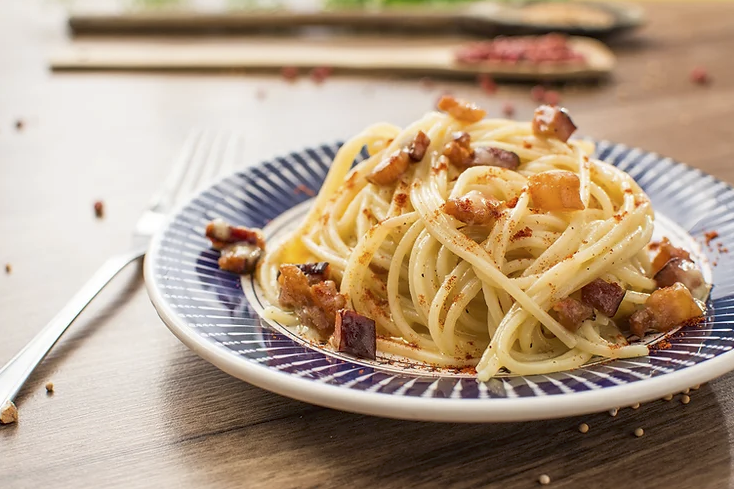
Even if it may seem counterintuitive: the sugar from fruits does not create hyperglycemia but simply a small spike in blood sugar (blood sugar level). This is not the case with starches, which, because they contain glucose and not fructose (see the previous paragraph), require insulin to be digested and absorbed. It is this poorer absorption of glucose compared to fructose that is responsible for hyperglycemia after each meal containing starches (or any refined sugar). In reaction to this (unnatural) hyperglycemia, which is harmful to the body, blood sugar then drops well below the threshold value, and this is what is called hypoglycemia. This occurs in response to hyperglycemia, which is why it is termed “reactive hypoglycemia.”
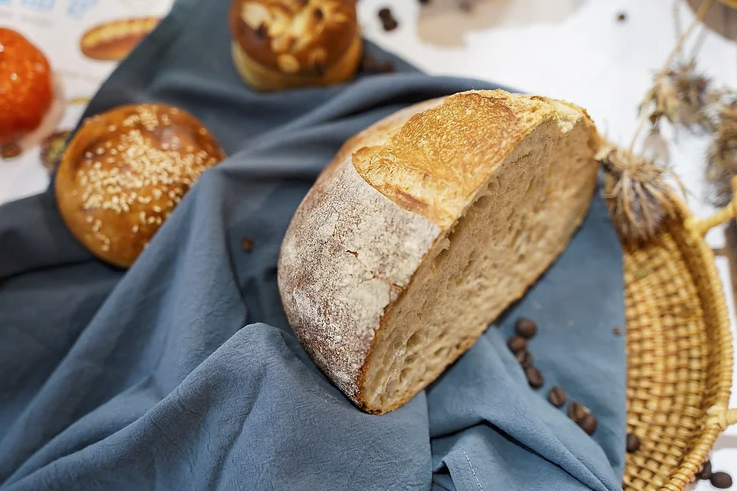
Various symptoms may then follow: hunger in the mid-morning after a non-physiological breakfast (bread, cereals, biscuits, etc.), almost sudden fatigue, headaches, the need to rest, etc. The entire body is put on alert to manage this sugar overload, forcing it to work well beyond its capabilities. This can lead to the exhaustion of certain organs and their dysfunction (such as type 2 diabetes).
To learn more about meal timing, read this article on social life and meal frequency.
Thus, whether we eat cereals, legumes, tubers, or fruits, blood sugar necessarily increases. But it does not increase and decrease in the same way, which generates a very different impact on the body.
Health problems related to the consumption of starches
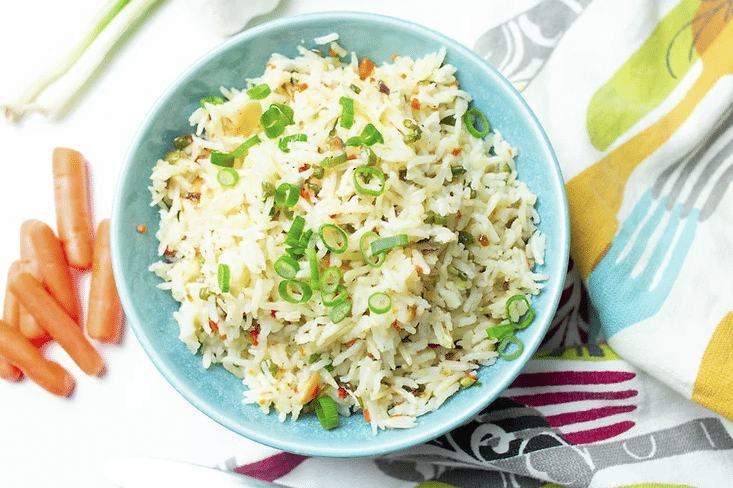
Aside from the digestion and absorption issues of starch, starches (cereals, pseudo-cereals, legumes & tubers) are almost always consumed cooked, which has many harmful repercussions on health.
1) Cooked starch is sticky
When we cook (beyond 42°C) a food, chemical reactions occur, and new compounds, most often toxic, are created. In the case of starch, the glucose molecules that compose it will fold in on themselves due to heat, a mechanism called “gelatinization,” to form a new molecule that does not exist naturally and has the property of being sticky. Cooking starches thus alters their chemical characteristics by creating additional bonds on the chains of simple sugars. Subsequently, these starches will be poorly metabolized by the body and will only be partially digested: part in the form of glucose, and another part in an indigestible, sticky, and unassimilable form that will pose problems.
This sticky property of cooked starch has been known for a long time, which is why it has been used to stiffen shirt collars or make homemade wallpaper paste (see this video on how to make homemade glue). Nowadays, the industry still uses starch (but also milk casein!) to develop all sorts of particularly effective glues. This awareness may come as a shock, but eating cooked starch (and heated milk too) is akin to eating glue…
The consumption of cooked starches thus generates undigested sticky residues that will partly agglomerate in the intestines (to form mucoid plaque) and, in the long term, lead to inflammation of the mucosa, which will result in intestinal hyperpermeability (a source of inflammation responsible for many digestive, autoimmune, chronic, and inflammatory diseases, etc.) and chronic malabsorption (a source of deficiencies and thinness).
Another part of these undigested and sticky residues will enter the bloodstream and lymphatic circulation, which will result in overloading and thickening these fluids. These sticky residues in circulation can then deposit throughout the body (including in the brain and glands, creating all sorts of possible disorders), but it is particularly in filtration organs like the liver, kidneys, intestines, lungs, skin, and spleen that they will accumulate and cause congestion.
The body will then seek by all means to eliminate these toxins by producing mucus at the level of the various mucous membranes but also through the skin via sebaceous glands. This will manifest in the following symptoms and pathologies: congestion of the ENT sphere, allergies, skin eruptions and skin diseases (eczema, cysts, etc.), excess earwax, eye discharge (secretions accumulating at the corner of the eye), but also, in the long run, congestion of other organs & glands. It is the lymphatic system that will manage these toxins, and its overload can have catastrophic effects on the entire organism and be the starting point for many diseases.
It is for their cleansing action on glues that oils (especially castor oil) have been successfully used for thousands of years, whether in poultices or purges. To learn more about purges, read this article on purges.
That said, the action of cold (in the form of cold baths or alternative baths) has also proven effective in helping organs decongest from glues (hence the famous expression “catching a cold” to refer to a mucus elimination crisis…)
2) Our instinct is in the intestine
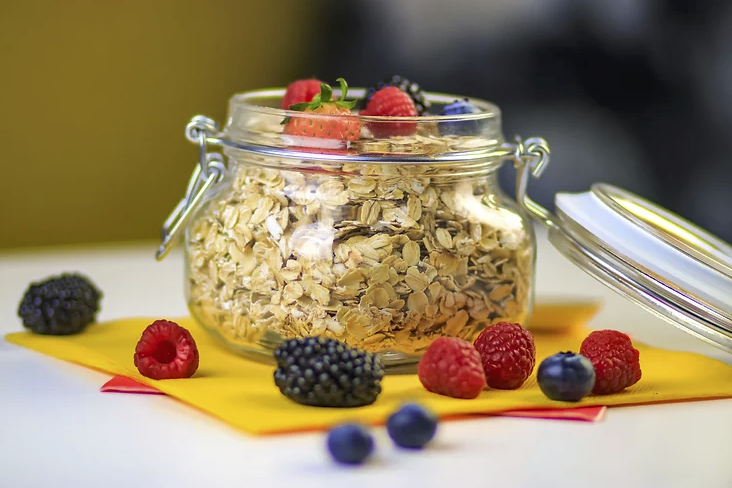
All this glue from cooked starch will then attract and nourish a whole pathogenic flora like Candida albicans, a fungus naturally present but which, in excess, will lead to fungal proliferation and the symptoms related to this candidiasis. It is this same fungal proliferation that will stimulate the body to crave starches, even though they harm us and are unappetizing (this is why we rarely eat them without a sauce or accompaniment to mask their blandness and thus deceive our taste buds). If you reduce your starch consumption, the specific bacteria and fungi associated with these starches in your gut microbiome will simply be starved! Then these microorganisms retaliate by acting on the brain (via hormones) to make us want to eat more and more. However, this phenomenon diminishes and disappears over time as our microbiome changes and rebalances. To this intestinal withdrawal mechanism is added another at the cellular level. Indeed, our cells (bathed in the toxins from the digestion of starches) paradoxically crave the food with which they have been intoxicated. If the circulating lymph (the fluid present to clean cellular waste and transport it to the excretory organs) becomes loaded with toxins (those coming from the cells) faster than it cleans itself (by excreting waste through the excretory organs), then cravings (sometimes strong or even obsessive) for starches occur. This is where purges (these substances that drain the lymphatic system) can prove decisive for weaning off non-physiological food. To learn more about purges, read this article on purges.
If we consider our intestines as the second brain and the seat of our immunity, we have a small idea of the harmful consequences of consuming cereals, legumes & tubers on our health.
To learn more about the gut microbiome, read this article on lactofermentation.
3) Starches are also acidifying
Starches provide energy in the form of calories, like all sugars, but these calories come with little or no vitamins, minerals, antioxidants, enzymes… We then speak of empty calories. And to assimilate them, the body will have to draw from its reserves of minerals and vitamins. This will gradually lead to demineralization, which will manifest as weakening of the teeth (cavities), bone loss, hair loss, and acidification of the body leading to a localized and/or generalized chronic inflammatory state.
Moreover, the seed coat contains anti-nutrients (see below) that create mineral leaks. These same minerals that the body needs to maintain acid-base balance.
For this reason, whether the cereals are whole or, at the extreme, refined, only shifts the problem of acidification.
That said, experience clearly shows, and it is indeed recognized, that starch is a good antacid and anti-inflammatory. It is no coincidence that the combination of starch – protein, although indigestible, is so appealing. This is because the starch in starches buffers the acidity produced by the digestion of animal proteins (like uric acid), which provides a form of balance (or relief). However, it remains that raw starch (in the form of raw potato juice, for example) is a far better antacid and anti-inflammatory than cooked starches. For the simple reason that the glues resulting from the partial digestion of cooked starch will, in the long run, congest the kidneys and partially lose their acid excretion capabilities. This creates a vicious cycle.

Other problems with the consumption of seeds, cereals, and legumes
Beyond all these considerations about the mucogenic nature (which produces mucus & glues) of starches, the acidity they induce, and the significant blood sugar disturbances they are responsible for, let’s review, if necessary, the harmful undesirable substances they contain.
• Phytates (or phytic acid)
All seeds contain molecules (like phytates) to store certain nutritional reserves (calcium, iron, zinc, selenium, magnesium, etc.) for future germination. Even if soaking only eliminates part (about 50%) of these phytates and that they are not fundamentally harmful to the body (they would even be beneficial in small amounts for the cardiovascular system), it remains that consumed in excess (which is always the risk when consuming cooked foods since there is no sensory stop), this phytic acid is likely to cause digestive problems and deficiencies.
To learn more about sensory stop, read this article on sensory eating.
• Lectins and trypsin inhibitors
These are natural insecticides (also called anti-nutrients) of the plant that are more or less harmful to humans depending on whether geneticists have reinforced this natural defense mechanism of the plant. They are found in significant amounts in wheat, kamut, and spelt, and they have a non-negligible pro-inflammatory effect.
Lectins are partially eliminated by germination. Trypsin inhibitors are partially destroyed by cooking. These two families of molecules lead to inflammation of the mucous membranes, digestive disorders, and increase epithelial permeability (lungs, skin, and intestines). Enzyme inhibitors reduce the ability to digest starch, resulting in the fermentation of sugars with the production of gas, alcohol, and acidity in the intestinal sphere.
• Saponins, cyanogenic glycosides, vicine and convicine, and isoflavones
These are molecules that are not found in cereals but in legumes, making them particularly indigestible. Consumed in excess, they can damage the mucous membranes, tissues, and disrupt the endocrine system (notably the thyroid).
• Gluten
This is a mixture of two families of proteins: prolamins and glutelins. It is mainly found in modern wheat (which is actually an experimental GMO) but also in spelt, kamut, rye, and barley. Gluten is valued for its elastic properties that promote baking. However, its effects on the digestive system are even more deleterious than those of lectins and trypsin inhibitors. By making the intestinal mucosa permeable, gluten can be the cause of autoimmune diseases such as type 1 diabetes, multiple sclerosis, Crohn’s disease, rheumatoid arthritis, Hashimoto’s thyroiditis, etc.
Another major problem with gluten (and also casein found in milk) is that they are partially broken down into substances called opioid peptides that have a chemical structure similar to morphine. These opioids, called casomorphin, gluteomorphin, and gliadinomorphin, affect the central nervous system and neurotransmitters, making us addicted to gluten and casein, especially since our intestines are porous and these opioids can interact with brain receptors, potentially leading to a true addiction. An addiction to gluteomorphin that adds to the one induced by starch due to the proliferation of bacteria & fungi like candida albican.
What about the least harmful cereals & legumes?
Legumes, due to their toxic nature, should all be banned, unless you like them sprouted. As for cereals, they should be limited as much as possible, especially those containing gluten. Pseudo-cereals like quinoa, wild rice, millet, and buckwheat are a more nutritious alternative than cereals and do not contain gluten. In any case, it is advisable to minimize cooking to reduce the “glue” effect in the intestines.
What about Genetically Modified Organisms?
Genetic modifications on foods (like wheat, corn, soy, etc.) can lead to a non-recognition of the molecules present in this new plant variety by our body, even if consumed raw. Moreover, these GMOs are created for agronomic purposes (so that pesticides are produced by the plant itself) and not for the health of the consumer. These unnatural substances can create significant inflammation, intestinal hyper-permeability, neuronal and hormonal dysfunctions, or even emotional disorders.
All GMOs should therefore be avoided, raw or cooked! It is true that almost all current vegetable plants and fruit trees have been selected by humans and are no longer truly natural. However, unlike GMOs, a “garden vegetable” comes from a natural selection induced by humans among what nature offers to the world (one could say: nature proposes, man disposes!). In contrast, in the case of genetic manipulations in the laboratory, scientists play at being sorcerer’s apprentices without being aware of the consequences on consumer health and the environment of the new molecules that these plants produce.
What about soy?
It is a legume that is 85% genetically modified. Additionally, it is particularly rich in phytic acid and enzyme inhibitors, making it very indigestible and unsuitable for consumption, whether raw or cooked.
What about raw starch?
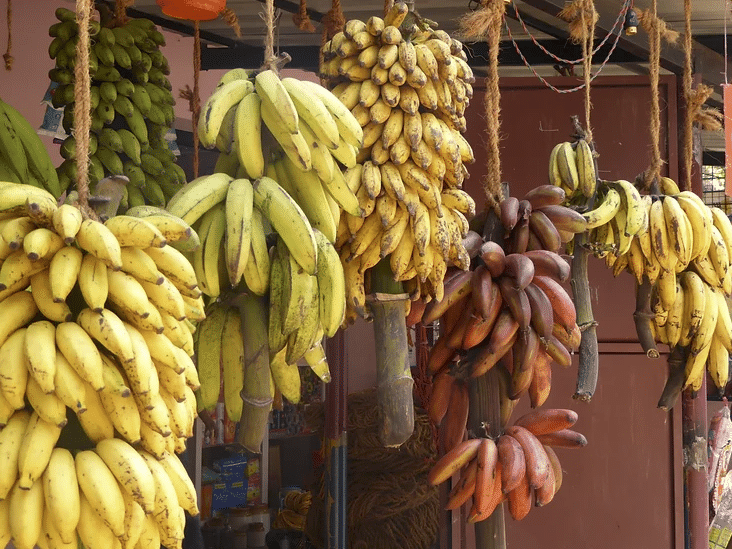
The starch we consume raw (for example in bananas, sweet corn, tubers, sprouted seeds, etc.) does not pose health problems but, as we have seen previously, it is simply not very digestible or energy-efficient. Fructose is far preferable in every way. What to remember is that as long as it is plant-based (non-GMO) and raw, you just have to follow your cravings, whether there is starch or not!
What about tubers?
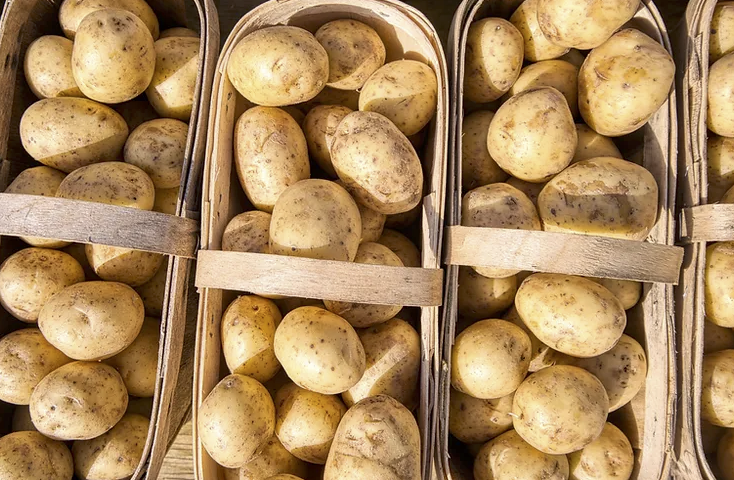
Potatoes also contain protective molecules (against predators) like lectins & trypsin inhibitors but also saponins (beneficial in small quantities like phytates) that are concentrated in the green parts of the potato. Contrary to popular belief, potatoes (if not green) can be eaten raw (like sweet potatoes, pumpkins, Jerusalem artichokes, etc.). There is always a sensory stop that manifests (provided the food is raw, unblended & non-genetically modified) to signal to us (via taste pleasure) if a food is good or unsuitable for our body. You just have to listen to your feelings and cravings. However, when a food is cooked, as with starches, our body is unable to warn us that we are consuming harmful or even toxic substances because it does not recognize them.
Tubers are less harmful to health than cereals & legumes because, overall, they contain fewer anti-nutrients and are, moreover, a bit richer in micro-nutrients. However, when consumed cooked, they remain a source of mucus and unsuitable for our liver & pancreas (as they are rich in glucose and not fructose).
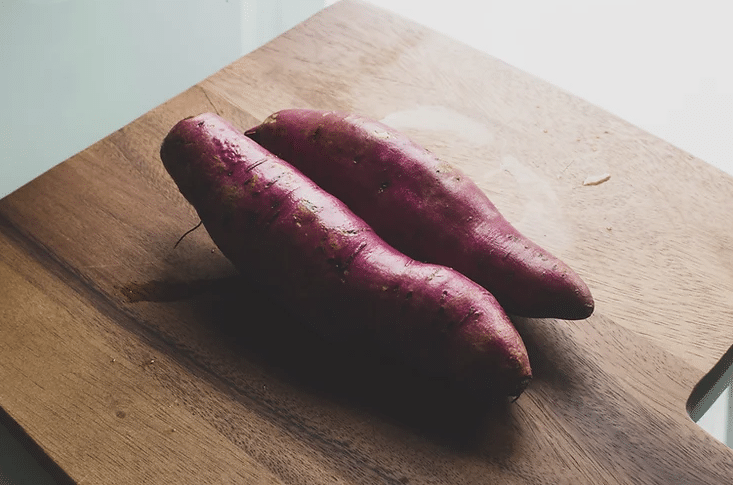
Among tubers, sweet potatoes are probably the most physiological as they contain fewer complex sugars and more digestible simple sugars. Moreover, they are delicious raw and rich in micro-nutrients.

What about sprouted seeds?
They also contain potentially harmful active substances beyond a certain threshold. But since they are alive, the sensory stop tells us when to stop consuming them. So you just have to listen to yourself (that is, not force yourself under the pretext that you read it was good for your health!) and not overthink (even if you eat a bowlful a day because you love them, go for it!).
What about soaking?
Whether for cereals, legumes, and oilseeds, about 50% of phytic acid is destroyed after a night of soaking. About 30% of lectins would be destroyed after 6 days of germination. Soaking makes these foods more digestible.
What protocol for a withdrawal from starches?
- I suggest you stop cooked legumes, all cereals containing gluten, and GMOs.
- Replace your usual starches with pseudo-cereals (to be soaked) and/or tubers. Consume some in sprouted form (for seeds) or raw (for tubers).
- Gradually decrease the consumption of these starches in favor of fruits.
- If necessary, use detox techniques to facilitate withdrawal.
Tip not to get lost along the way: The right diet is one that is less toxic than the cellular environment because it allows the body to detoxify progressively and sustainably. You know you are on the right path when month after month, year after year, your diet moves towards more and more raw plant-based foods and less and less mixtures.
What about cereals and other starches for pets?
No species on Earth is designed to digest cooked starches, certainly not cats and dogs, which are anatomically carnivores. If cereals (or other starches) are found today as one of the first ingredients in kibble, it is probably out of ignorance that we unconsciously play with the living by cooking foods and disregarding the dietary needs of each species.
The result is that these poor animals develop the same pathologies as we do: eczema, asthma, obesity, osteoarthritis, diabetes, cancer, etc. The diet of cattle and sheep is also supplemented with cereals, which is nonsensical for herbivores. This makes them more susceptible to diseases and fattens them up.
The only animals anatomically suited to consume seeds are birds. Despite this, they often prefer insects. Poultry (like chickens) have a gizzard that allows them to grind raw seeds and are therefore suited to the consumption of raw or sprouted cereals. However, we should not give them GMOs or cereals containing gluten like wheat (even if it increases production) because it makes them sick, aggressive, and the quality of their eggs suffers.
What about cooked starch and emotions?
The work of Irène Grosjean as well as my observations on several hundred people in dietary transition suggest that cooked food, particularly cooked starch, acts as an emotional anesthetic and as a “security blanket” that helps us repress our emotions. Moreover, it seems that these glues we have ingested since childhood have memorized the vibrations of sadness, fears, anxieties, submission, shyness, and mental quirks that we experienced at the time when the body stored all these sticky residues of starch (or casein). And when we stop this consumption of cooked starch and the cells clean themselves and temporarily release these sticky residues filled with “negative” information back into the lymph, we may start to relive the sadness, submission, shyness, fears, anxieties, and quirks of the past. This is a natural process that should not be feared but simply understood in order to better navigate it and find within ourselves the strength to free ourselves from this addiction that cuts us off from certain living parts within us that are just waiting to be heard!
In summary, total cessation of gluten (and casein) can prove to be a real challenge as we are potentially casein-gluten dependent, which can make us compulsive addicts without our knowledge! Moreover, as we have seen previously, stopping cooked starches requires rebalancing our microbiome, learning to decongest our lymph & excretory organs, and welcoming the repressed emotions that arise. But the effort is worth it, and stopping starches can become a wonderful path to reconnecting with oneself, with one’s feelings, and with the living! So, ready for the adventure?!
Sources available in English
- “The Detox Miracle Sourcebook: Raw Foods and Herbs for Complete Cellular Regeneration”, by Dr. Robert Morse
- “Mucusless Diet Healing System : A Scientific Method of Eating Your Way to Health” by Arnold Ehret
- https://www.ncbi.nlm.nih.gov/pmc/articles/PMC8345738
There are more sources available in the French version of this article.