Living Nutrition VS Sensory Nutrition
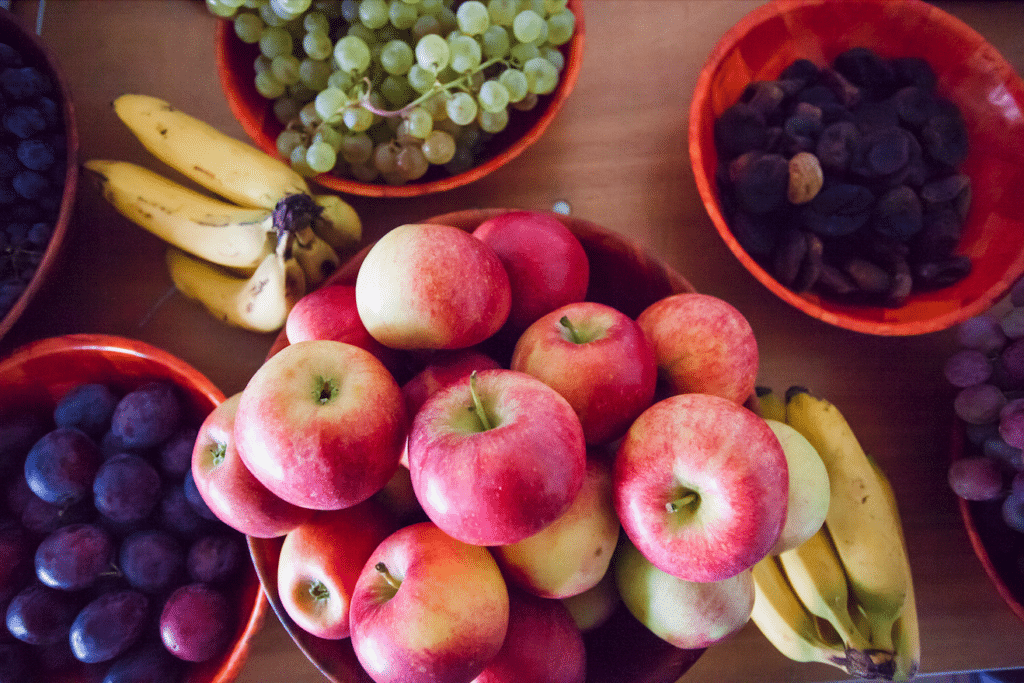
Introduction In France in the 1980s, Guy Claude Burger, known as the father of instinctotherapy, promoted a dietary approach based on the olfaction of raw foods. According to his theory, based on experimentation and careful observation of nature, our body, through olfaction, knows how to recognize the foods it needs, provided they are raw and natural. Furthermore, these foods that we find pleasant to smell, if eaten alone (that is, without mixing with other foods, or even spices to avoid misleading the taste buds about the content of the food) and by letting oneself be guided by instinct regarding quantities, best fulfill our deficiencies, optimize digestion, and additionally, allow us to fully benefit from their therapeutic properties. The logic It consists of observing nature and considering it as a model to follow. According to this approach, the food that is best suited for us is that which can be obtained in our preferred environment (that is, where we can live all year round without air conditioning or heating) with the help of our own hands (made of bones called metacarpals, which, in Greek, mean ‘behind the fruit’). This picked food is then smelled, and possibly tasted. If the sensation is good, then this food will be consumed until no longer hungry. This is how all animals function. As we are diurnal animals, all food will be consumed exclusively during the day. Faced with raw plants, our instinct is always right During the consumption of one and only one raw food, one can observe that it changes in taste (a mechanism called alliesthesia) as one consumes it until a sensory stop manifests itself through a change in the taste of the food that no longer makes one want to return to it. This is nothing mysterious; the taste and appeal we feel towards a food is merely our body’s response to indicate whether it needs it or not. Our mind, unless it has read a study on the subject, does not know what is in a food; however, our body, through our countless olfactory sensors located in our nose but also in the liver, stomach, and kidneys, is able to precisely analyze the content of an isolated food. If the body needs it, it will make us love it in terms of taste, and when we digest it, the intestinal microbiota will, in response, produce serotonin (nicknamed the happiness hormone). A mechanism that can be interpreted as a reward to encourage us to follow our desires, which are merely reflections of our needs. Conversely, if the food is not good for us, we will find it tasteless or bad, and we will not want to eat it. It follows that by maximizing our pleasure, we will maximize our health. Unfortunately, if the food has been cooled, heated, or even simply dehydrated, then our instinct will be slightly misled and the instinctive stop less reliable. Ideally, all food consumed should be at room temperature and in season. And if the food is mixed, or worse, cooked, our finely tuned instinct, with its thousands of receptors spread throughout the body, will not be able to inform us clearly (even less so if the cooking temperature is high) about this, and it will be more difficult to listen to our needs. The harms of cooked foods Above 42°C, cooking prevents our sense of olfaction from functioning properly because chemical reactions induced by the rise in temperature strongly alter the chemical nature of foods, and this is even more pronounced at higher temperatures. At the same time, the enzymes necessary for the proper assimilation of micronutrients are destroyed (as soon as the temperature exceeds 42°C) and force the body to draw on its own reserves (which incurs an energy cost) to provide digestive enzymes that are naturally present in foods when they are not heated. This destruction of enzymes by heat decreases the body’s ability to assimilate micronutrients, not to mention that they are fewer in number. If the food turns out to be less nourishing when cooked than raw (except from a caloric standpoint), it can even become potentially toxic because certain indigestible molecules (called colloidal waste) or even toxic molecules (Maillard molecules, to name just one) arise from the chemical reactions related to cooking temperature (the higher the temperature, the more toxic the compounds created). Finally, since ingesting a dead food (because it is cooked) prevents the body’s recognition system from identifying what has been introduced, a digestive leukocytosis (massive influx of white blood cells that rises from about 6000 leukocytes under normal conditions to 10,000 for steamed cooking and even 20,000 for less physiological food) occurs unnecessarily and fatigues the immune system. To conclude the list of disadvantages of cooking food, know that the pollutants contained in fruits & vegetables penetrate much more into the blood when they are cooked (because the hydrophobic nature of pesticides gives them the property of sticking to insoluble fibers during digestion and being excreted with the stools) and that we deprive ourselves of the life energy contained in the food. In short, to be fully alive, it is preferable to eat living food!… The transition from cooked to raw Between the raw of instinctotherapists and the cooked from standard gastronomy, there are several worlds: Seignalet nutrition, close to what is also called Mediterranean or Okinawa nutrition. A diet that has proven itself in the blue zones but which today shows its limits in terms of therapeutic results for sedentary Westerners accustomed to vaccination & medication, as well as industrial food & pollution. If society had not modernized and we lived as we did in the past, we would all eat more or less this way and we would generally be well. Culinary raw nutrition, as its name indicates, everything is raw but we create food combinations that are unlikely in nature but pleasant to the taste. Well in the transition phase to raw, raw cuisine eventually (if not simplified and reduced in fat) becomes too
The Essentials of Lactofermentation
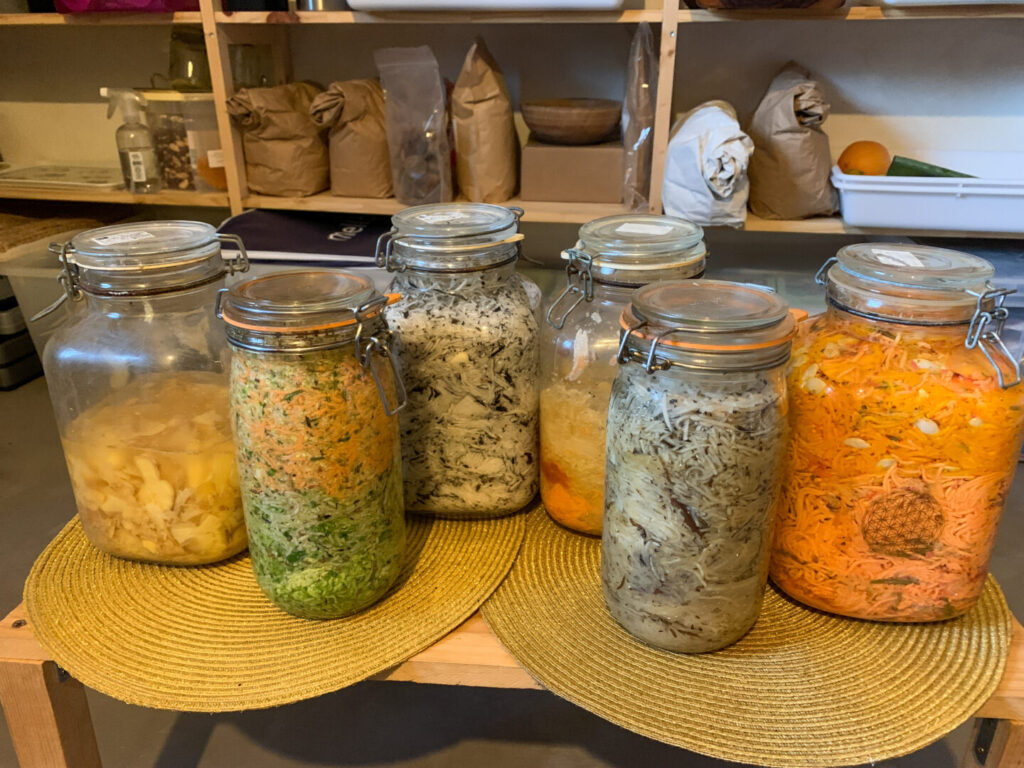
The benefits of lactofermentation Lactofermentation involves preserving food in a salty, oxygen-free environment. Under these anaerobic conditions, lactic acid bacteria break down carbohydrates from vegetables to produce lactic acid. In addition to developing beneficial lactic acid bacteria (naturally present in our mucous membranes), this process prevents the growth of mold through the acidification of the environment caused by lactic acid. Thus, foods can be preserved raw for years, and as we will see below, their benefits are amplified. This is an ancient method used to preserve food, particularly vegetables, with salt. Lactofermentation offers numerous health benefits as it contains probiotics (which positively seed the microbiota with good bacteria) and prebiotics (the fibers nourish the intestinal microbiota). By integrating them into our diet, they help to cleanse, support, and strengthen our digestive and immune systems (which are 80% located in the intestines). For comparison, lactofermented foods can contain up to 500 different strains of pre- and probiotics compared to only one to five strains of bacteria in a probiotic dietary supplement. The quality of our digestion largely depends on the quality of the intestinal microbiota, also known as the second brain. This microbiota encompasses all the bacteria, viruses, yeasts, and other microorganisms that live on and in our bodies, totaling over one hundred trillion microorganisms divided into more than 3,000 species. These microorganisms live in symbiosis with our bodies and ensure numerous biological processes. They can produce antioxidants, vitamins, amino acids (the building blocks of proteins), and reduce inflammatory states as well as food allergies. Furthermore, the microbiota plays a key role in the human body’s defense system, in regulating blood pressure, and in digesting food. It can even influence our behaviors, moods, psychological well-being, and food choices. It is, in fact, our microbiota that rewards us with a secretion of serotonin when we eat the living foods we need. That’s why eating fruits makes us happy. It’s its way of saying thank you to encourage us to consume foods that are beneficial to it. Fermentation, by breaking down large molecules, also makes the nutrients present in vegetables more accessible, a mechanism known as ‘bioavailability.’ The action of lactic acid bacteria indeed involves pre-digesting the food, so lipids are broken down into fatty acids and proteins into amino acids. Moreover, this pre-digestion makes dietary fibers less irritating for those with damaged intestines. That’s not all; the microorganisms that proliferate during fermentation also produce various nutrients such as vitamin C, B vitamins (including B12), and vitamin K. In summary, not only does the quantity of vitamins increase significantly, but they are also more easily absorbed by the body. Studies have also shown that iron and zinc are more easily absorbed in lactofermented vegetables. More generally, eating lactofermented foods at the beginning of a meal helps to better absorb nutrients from other foods due to the notable presence of enzymes. Lactofermentation can also destroy or neutralize several toxic substances such as cyanide, phytates, saponins, nitrates, and nitrites. For all the reasons mentioned above, it is remarkable to observe that lactic fermentation is a transformation that not only preserves food but also increases its nutritional value. In summary, it has the multiple advantages of making food more nutritious, more digestible, of better quality, and enhancing its flavor over time. The perfect opportunity to create vintage lactofermentations like some do with wine… Except that you definitely won’t leave them in the cellar (it’s too cold for the bacteria) and they can beautifully adorn a corner of your room with their lovely colors. In summary, consuming lactofermented vegetables strengthens the immune system, restores the digestive system, facilitates digestion, and remineralizes. Just that! That’s why we talk about it so much! 🙂 Making your own lactofermentations Even though you can easily find quality raw and inexpensive cabbage lactofermentation in health food stores, it is enjoyable to make your own recipes at home. The protocol below works perfectly with all non-sweet vegetables and fruits: cabbage (red, white, green), cauliflower, red beet, bell pepper, turnip, parsnip, zucchini, cucumbers, carrots, shallots, onions, garlic, celery, leeks, sweet potatoes, pink and black radishes, pickles, etc. The only exceptions concern sweet fruits that produce alcohol when they ferment (alcoholic fermentation rather than lactic) and should therefore be excluded. I also recommend setting aside beans and eggplants, which are generally not digestible raw (unless your body craves them). All other vegetables can be lactofermented without restriction. Simplified protocol suggestion The important thing when choosing your container is that air can escape when pressure increases inside due to fermentation. That’s why closures with a rubber seal (like ‘Le parfait’ jars) are ideal. The other option is to use sealed lids but with a fermentation valve. 2. Boil the jar to destroy any germs that could cause mold. Unless your jar already contained lactofermentation, in which case leave a bit of juice or vegetables at the bottom so your next batch ferments faster. 3. Grate, slice, cube, or stick the vegetables (not necessarily of a single variety) or leave them whole according to your preference. I prefer finely grated vegetables (for root vegetables) as it allows for much more to be packed into the jar. Then place the grated or cut vegetables at the bottom of the jar, pressing them down well if they are not whole. For a better taste result, add all kinds of herbs to your vegetables (those that appeal to you!). Leave at least 4 cm between the pressed vegetables and the top edge of the jar. At this point, you have several formulas depending on how the vegetables are prepared: If the vegetables are grated and packed in the jar: pour seawater into the jar to cover the grated vegetables by at least 2 cm OR add two tablespoons (30g) of unrefined salt (refined salt is toxic) in one liter of fresh water that you will pour over the vegetables in the same way as with seawater. If the vegetables are whole or cut into large pieces: pour seawater to
Fill in your deficiencies with Living Nutrition
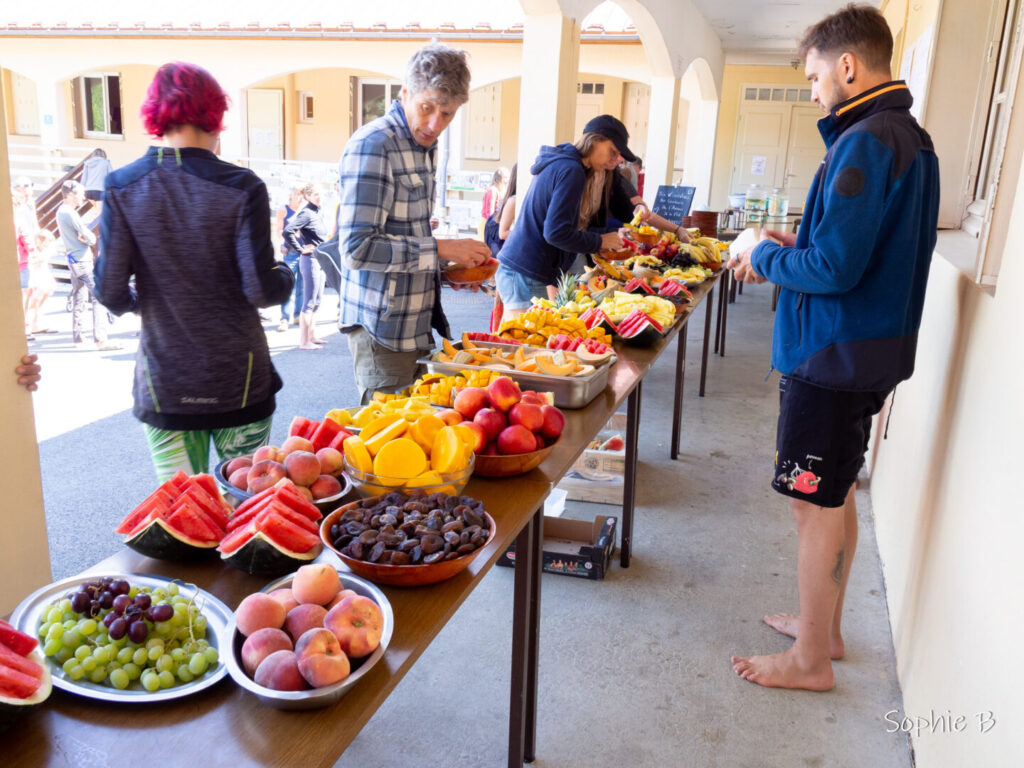
“I believe that insidious metabolic damage occurs, even with only very slight deficiencies in micronutrients, and that they will increase the risk of cancer, cognitive dysfunction, and other aging-related diseases.” Dr. Bruce Ames, biochemist “It is known that plants directly draw from the air, water, and earth the elements necessary for sustaining life, particularly carbon and nitrogen: they take them in their mineral form. In contrast, animals can only seize these same elements if they have already been fixed for them in organic substances by plants or by animals that, directly or indirectly, owe them to plants, so that ultimately it is the plant that feeds the animal.” Henri Bergson in his book “Creative Evolution” Vital nutrients The vital elements we absorb through food are classified into two categories: Macronutrients: proteins, lipids, and carbohydrates. Micronutrients: minerals, vitamins, enzymes, and antioxidants. “There are about 40 vitamins or quasi-vitamins, minerals, and amino acids essential for health. If you are deprived of one or the other, you will die.” Dr. Bruce Ames, biochemist In this article, we will therefore focus on the issue of mineral and vitamin deficiencies that affect the majority of the population. The most common mineral deficiencies are in iron, magnesium, calcium, zinc, selenium The most common vitamin deficiencies are those of groups B, C, D, and E The presence of minerals is essential to activate the many enzymes that play a key role in the body ranging from nutrient absorption to energy production, as well as controlling hormonal, muscular, nervous, and immune systems. Furthermore, minerals are antioxidants and alkalizing agents. As for vitamins, they are also involved in many biological functions: antioxidant, body building (growth, skeleton development…), functioning and maintenance of the body (transformation and use of macronutrients, vision, blood coagulation, muscular, nervous, immune systems, DNA production, …). Diagnosing a deficiency is not straightforward. Indeed, it is important to distinguish between extracellular minerals (those that circulate in our biological fluids like blood or interstitial fluid) and intracellular minerals (those that manage to penetrate the heart of the cells). This is why the characteristic disorders of deficiencies can manifest in individuals who, otherwise, show completely satisfactory blood test results. This is explained by the fact that not all minerals and vitamins are bioavailable (that is to say, usable by the body). If they cannot penetrate the cells or if they are not usable (which is the case when micronutrients are not organic), they will be eliminated through hepatic and urinary pathways, which will only result in adding extra work for the body. Some micronutrients and associated deficiencies An internet search provides the following information: Magnesium It is one of the most abundant body minerals. Half of the magnesium present in the body is located in the bone tissue. It is also a regulator of carbohydrate and lipid metabolism in muscle, cardiac, and nervous tissues. It participates in more than 300 metabolic reactions in the body, hence its importance. The symptoms of a magnesium deficiency: physical and mental fatigue, chronic anxiety, irritability, insomnia, muscle cramps, tremors. Calcium The main function of calcium is the well-known one of building and renewing the skeleton. Additionally, calcium participates in muscle and cardiac contraction, blood coagulation, cellular exchanges, membrane permeability, hormone release, and nerve impulse transmission. The symptoms of a calcium deficiency: dry and scaly skin, brittle nails, and dull hair, frequent cramps in the back and leg muscles. Vitamin C It is an immune stimulant that activates the formation of antibodies. Its antioxidant effect protects against the acceleration of cellular aging and contributes to the healing of skin wounds and burns. It also has a significant anti-fatigue effect. The symptoms of a vitamin C deficiency: fatigue, immune fragility (recurrent infections), irritability, fragility of capillaries (bruises), healing problems. Vitamin D It is essential for the bone fixation of minerals (notably calcium and magnesium), hence its direct impact on bone strength. Vitamin D also acts at the muscular level (for contraction) and cerebral level (it is a protective agent for neurons). It also modulates the activity of the immune system, stimulating it in case of infection and calming it in case of autoimmune reaction. The symptoms of a vitamin D deficiency: bone disorders (notably osteoporosis), muscle weakness, immune fragility, stress sensitivity, depression. Deficiencies are, paradoxically, one of the causes of obesity. Indeed, if our diet provides macronutrients but not enough micronutrients (as is the case with processed food), then as soon as the meal is digested, even if it was very caloric, hunger returns very quickly. A hunger not for calories but for essential vitamins and minerals. And if in response to this hunger we again provide food deficient in bioavailable micronutrients, then we enter a vicious cycle that can lead to weight gain. Why are we deficient? The reasons are multiple and interdependent: Insufficient consumption of raw fruits and vegetables, which are the best source of vitamins and minerals. Fruits and vegetables poor in micronutrients due to cultivation on depleted soil or off-soil (hydroponics). Lack of sun exposure to produce vitamin D, which has the collateral effect of disrupting the absorption of other micronutrients. Too high a proportion of cooked foods in the diet. Heat (beyond 42°) destroys the enzymes naturally present in raw foods that are responsible for the assimilation of minerals and vitamins. Increased levels of stress and pollution (pesticides, nanoparticles, waves, etc.) that raise the level of free radicals. This leads to an exaggerated consumption of micronutrients for defense. Excessive consumption of animal proteins and stimulants (tea, coffee, alcohol, tobacco, etc.) that acidify the environment and force the body to use its mineral reserves to restore acid-base balance. Excessive consumption of refined sugars and flours. These empty calories of micronutrients deplete mineral reserves because the use of these sugars requires minerals that are normally provided by food (as is the case with fruits). Mood, these 45 L of liquids in which cells are bathed, too clogged for micronutrients to reach the cells. This is why fasting is sometimes the best way
Living Nutrition and Food Combinations
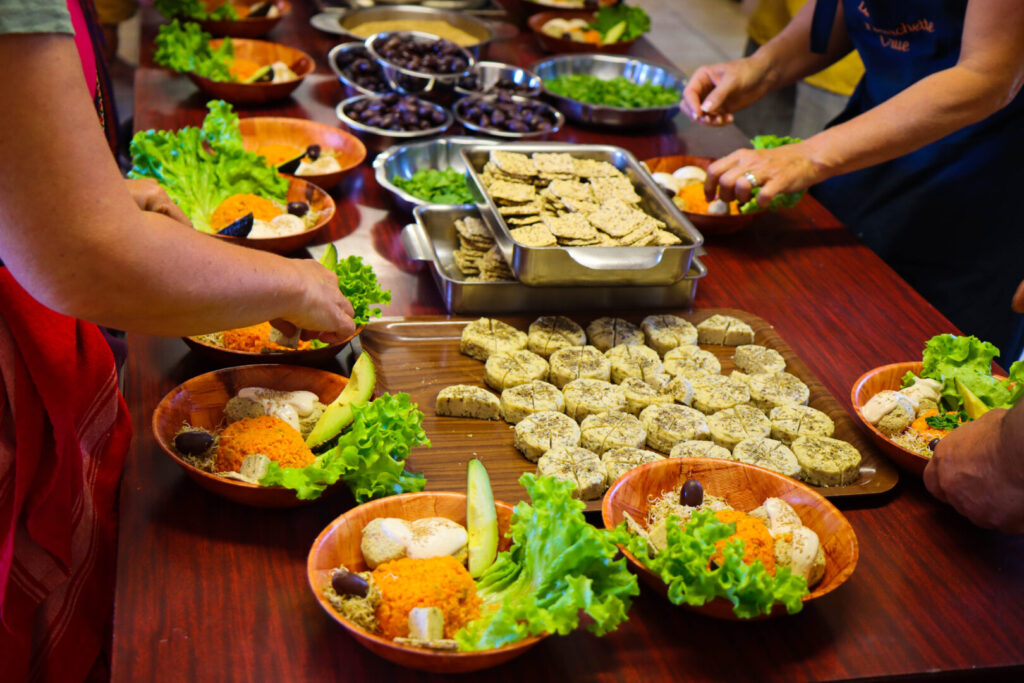
Is it good to mix raw foods? Ideally, we would only eat raw and unmixed foods, just like a great ape would when going from tree to tree. However, after decades of traditional eating, switching to this ideal diet would be too intense for the body, for two reasons: Eating is also a pleasure, and when one is used to certain textures and tastes, it can be difficult to do without them. Eating only raw fruits and vegetables will lead to intense detox crises that will be hard to manage, especially if you do not understand their origin and do not have the appropriate naturopathic tools to navigate them. Like any major change in life, it is realized step by step by setting priorities or stages. Avoid making too many mixtures: Our body is equipped with many sensors in the ORL area and in our intestines that allow us to measure the nutritional quality of a food. In response to this very complex and almost instantaneous bodily analysis, our body gives us a response: If we like it, it means our body needs it. If we don’t like it, it means our body does not need it or that it is inappropriate. The catch is that our instinct can deceive us when the food is cooked (a part of the information contained in the food is destroyed, especially when cooking is done at high temperatures) and/or when there are too many mixtures (even raw) and the sensors are, therefore, confused. Moreover, not all foods require the same digestive juices in the stomach, which hinders the proper absorption of nutrients and burdens digestion, particularly mixtures with fruits which, themselves. Why are fruits eaten before meals or between meals? Because fruits are digested only in the intestines and not in the stomach. If you eat them while your stomach is in full digestion, or if you eat them with other types of foods, the fruits will not be able to go directly to the intestines and will be exposed to acids that may potentially make them indigestible. It is therefore better to eat your fruits at the beginning of a meal (wait 20 minutes to an hour for their complete digestion) or between meals. Note: If you consume a heavy meal high in fats (based on oilseeds, for example) or proteins, it can remain in the stomach for up to 10 hours! If you consume fruits before digestion is completely finished, you may experience heartburn, but the fruits will not be directly responsible. However, some food combinations are very well tolerated by the body and it is wise to know the principles illustrated in the diagram below: Here are my recommendations: First stage: Eat as much living food as possible! In my view, it is better to do CRUsine (even if the combinations are not very physiological) than to eat cooked foods or animal products. As long as it is plant-based and alive, go for food combinations (without worrying if it is physiological or not) that you enjoy as long as you digest them well. However, it is preferable to not mix more than three or four different foods (condiments aside) in the same recipe. Second stage: Once you are well invested in the process and if your vitality allows it, practice naturopathic detox techniques to deeply detoxify your body. You will then see, month after month, year after year, that your food cravings will lighten. You will then naturally and effortlessly move towards an increasingly raw diet without involving the mind, simply by reconnecting to your feelings. But this can only happen if you release layer after layer of accumulated toxins. Some tips to avoid digestive discomfort: Avoid eating your fruits at the end of the meal. Avoid any mixture containing both fats and carbohydrates (like nuts – sweet fruits). Avoid mixing acidic fruits with sweet fruits (like dates – lemon). Avoid consuming more than 20% of fats (in caloric ratio) in a day. To learn more about fats, read: “What are our needs for fats ?” Suggested reading for further exploration: The article: What about Sensory Nutrition? The article: What are our needs for fats ? « Food Combining Made Easy », by Herbert M. Shelton « The Detox Miracle Sourcebook: Raw Foods and Herbs for Complete Cellular Regeneration », by Robert Morse, N.D
Seawater and its benefits
https://www.youtube.com/watch?v=rPVEMeFPYec In bath: Seawater has been used in thalassotherapy since Antiquity for its numerous therapeutic properties. Seawater is rich in minerals and trace elements, which is good for the skin and hair. A simple fifteen-minute sea bath each day is enough to recharge the body. Its benefits: It revives tired organisms. It promotes healing and improves skin quality. It effectively repairs a fracture. It decongests the respiratory tract. It prevents many diseases. It cleanses the scalp. It also cleanses the body of accumulated emotional tensions and negative energies. Internally: History: In 1897, the French biologist René Quinton highlighted similarities between the mineral composition of seawater and that of the interstitial medium and blood plasma. He deduced that the human body would certainly respond well to treatments and preparations containing substances derived from the sea. Definitions: The term “Quinton” or “hypertonic Quinton” refers to seawater that has been collected from vortices, far from any source of pollution, and in an environment rich in phytoplankton. This water is then cold-filtered and without radiation before being bottled. The term “Quinton Plasma” or “isotonic Quinton” refers to seawater brought to the molecular concentration of blood plasma by dilution with distilled water. Quinton versus seawater: Due to the high cost of Quinton (20 euros per liter), one can more simply buy seawater as long as it has been collected from an environment rich in phytoplankton (otherwise the minerals are less well assimilable), far from pollution sources, several meters below the water surface, and then filtered at 0.22 microns cold and without radiation. Seawater harvested under these conditions can be consumed orally. If it is for injection use, it is preferable to use filtered seawater (0.22 microns) then ultra-filtered (0.01 microns) and collected at a depth of 25m with tests to verify the water quality. Seawater collected under these conditions is called marine plasma and is of equivalent quality to Quinton water except that it does not have certification. These favorable conditions for the collection and filtration of seawater are met at naturitas.co.uk Seawater versus freshwater: Contrary to what one might think, it is very beneficial to drink seawater or Quinton. It contains, in a form assimilable by the body (thanks to the presence of phytoplankton), all the minerals and trace elements present on Earth, unlike freshwater whose minerals are less diverse and not bioavailable. This is why, in bottles, spring waters (low dry residue rate) are preferred over mineral waters (high dry residue rate) which can cause calcifications and kidney stones. If you collect your own seawater, do so at some distance from pollution sources and at least one meter below the surface (to avoid floating oils). Before consuming it, this water must first be filtered to eliminate micropollutants. Drinking seawater has many benefits, it: Stimulates metabolism Prevents chronic constipation Limits adrenal fatigue Detoxifies, remineralizes, and revitalizes the body Strengthens the nervous system due to the presence of magnesium Reduces inflammatory states Regulates estrogen production Reduces nasal congestion and cleanses the sinuses (to be used in aerosol or with a neti pot) Contains vitamin B12 What quantity to consume? Seawater is an alkaline food particularly recommended in cases of body acidification or deficiencies. Moreover, it improves kidney function. You can drink it every day as much as you want by diluting it to your liking, so that you find it pleasant to taste. Seawater is a living food, and therefore your taste, and only it, can indicate the daily quantities your body needs. Refined salt versus seawater: The salt contained in seawater is very different from refined salt, which has lost all its beneficial properties and is harmful to health, just like refined sugar. Refined salt causes: inflammation of tissues and water retention (due to its high chlorine content), damage to blood vessels, thickening of the blood, and increased blood pressure, stomach irritation (directly linked to stomach cancer) and an imbalance in intestinal flora, overeating, calcium loss, and dehydration, kidney fatigue, and promotes the development of kidney stones. On the other hand, magnesium and potassium, which are abundant in seawater, are hypotensive agents. This is why avoiding good salt (seawater or unrefined salt) is not good for your health, as the body needs the minerals it provides for the proper functioning of the kidneys and heart. Unrefined salt versus seawater: Even though seawater tastes salty, it does not contain salt (NaCl, sodium chloride) but minerals in ionic form, which makes all the difference because the body can more easily use or eliminate them as it sees fit. In addition, seawater contains more volatile minerals such as iodine than unrefined sea salt (such as Guérande or Himalayan salt). Personally, I am very sensitive to salt, whether refined or unrefined, as it causes water retention and unpleasant sensations in my body, whereas seawater does not cause me any problems, even though my body requires about 1 liter per week. It should be noted: To properly absorb vitamins, the body needs to be adequately mineralized. If there is a single mineral missing in the body, then certain vitamins will not be absorbed. And if there is too much of one mineral, it blocks the absorption of other minerals. For example, too much calcium blocks the absorption of phosphorus, which is why calcium supplementation may not improve bone quality since they also contain phosphorus). The advantage of seawater is that it will harmoniously remineralize (in quantity and quality) the body better than any supplement. Minerals are bioavailable to humans only if we absorb them through an animal, a plant, a fungus, or an alga. The minerals in seawater are bioavailable because they are contained in phytoplankton, hence the importance of collecting seawater where there is a sufficient concentration of phytoplankton. Long before we were humans or even primates, we were marine organisms (think of the different stages of human fetal evolution), moreover, it is in the sea that the first forms of life appeared. It is a primordial liquid! Seawater is a living food, and if heated, it
How to choose wild plants?

One of the most frequent questions I get after the screening of the film The Footprint is: “When you didn’t have enough to eat, why didn’t you gather wild plants to feed yourself?” I take the time to develop an answer in this article because I believe that often, behind this seemingly innocuous question, lies the belief that we could rely on them to survive… Is that realistic or not? What parts of plants can we consume? From spring to the end of summer, all parts of wild plants are potentially nutritious: roots, leaves, flowers, and seeds. But it is especially in spring, when the roots and leaves are tender and green, that we can fully benefit from their nutritional value. Seeds are the most caloric, and it might be tempting to consume them in large quantities in survival conditions. This is probably a bad idea because seeds, although very rich in nutrients, contain phytates and lectins (among others) whose role is to trap certain minerals (like iron, magnesium, calcium, zinc, etc.) to have them in reserve for the next germination. These molecules, called anti-nutrients, if consumed in large quantities, can disrupt digestion (even causing vomiting or discomfort) by preventing the proper functioning of digestive enzymes and the absorption of nutrients by the intestinal membranes. Almost everyone knows the sad end of Christopher McCandless, the hero of the film “Into The Wild.” What is less known is that the end of the film, when we are led to believe that Christopher dies after mistakenly eating a toxic plant, is not true to reality. This corresponds to a Hollywood ending and a misleading shortcut compared to the end of his life as reported by his biographer Jon Krakauer in his book “Into the Wild”. According to the author, Christopher was in an advanced state of malnutrition when he consumed a large quantity of seeds that were classified as edible. It was the large amount of anti-nutrients ingested in a malnourished body that caused his demise. A healthy and properly nourished body could have neutralized these substances without risk; Christopher, however, probably no longer had the necessary mineral resources and died of indigestion. By comparison, the alkaloids in a large cup of coffee could have caused his death in the same way. But that might not have been a bankable ending for the film industry, unlike the one chosen, which reinforces our primal fears of nature. We could therefore consider that anti-nutrients are substances that are also produced by plants to protect themselves from predators. Moreover, we do not have a digestive system adapted to massive consumption of seeds like granivores such as squirrels and certain birds. However, knowing that germination destroys most of these anti-nutrients, seeds can nourish us without drawbacks after germination. In summary, tubers and seeds are the most caloric and nutritious parts of plants, but they are also the least accessible in space and time. Leaves, although less caloric, are much more accessible while being rich in proteins, minerals, vitamins, enzymes, chlorophyll, and antioxidants. To what extent can we feed ourselves with wild plants? The leaves of wild plants contain between 15 (lamb’s lettuce) and 50 (nettle) Kcal per 100g. A human with low daily physical activity expends about 2000 Kcal per day. If they only eat wild plants, they will need to consume at least 4 kilos of plants (eating the most caloric ones) per day. In the context of The Print, with perhaps 3500 Kcal expended per day, that raises the ration to 7 kilos of plants per day… A mass that should probably be increased in summer when plants become more fibrous and their nutritional value decreases. Furthermore, we must not lose sight of the fact that almost all edible wild plants are medicinal plants (they are called simples) with strong detoxifying power. So I can hardly imagine the purge that consuming several kilos of dandelions would cause in my body, for example… Moreover, I don’t think my body would allow me to consume such a quantity of wild plants because every living plant food we consume produces a sensory stop when we exceed the amounts that the body can assimilate beneficially. I even think that if I forced myself to consume large quantities of dandelion (or any other edible wild plant), it would eventually make me vomit or cause diarrhea. Not to mention the intense digestive work that this would require. The qualities of wild plant leaves: They contain many active substances that heal and detoxify (expectorant, diuretic, digestive, laxative, anxiolytic, stimulating, antipyretic, anti-inflammatory, etc.). They are very rich in proteins, minerals, vitamins, enzymes, chlorophyll, and antioxidants that far exceed (up to 10 times more) all commercially available fruits and vegetables. (Example: I no longer want to consume 3 tablespoons of spirulina per day if I drink the equivalent of a large bowl of wild plants processed in a juicer.) They are free and abundant. While the leaves are nourishing (in micronutrients) and provide healthy fibers for the intestinal microbiota (a healthy microbiota is necessary for good digestion and nutrient absorption), they provide very few carbohydrates compared to sweet fruits or fats compared to oilseeds. We are not like herbivores that have the ability to break down plant cellulose directly into sugars, nor can we consume large quantities of plants to extract sufficient fats. In a survival context where there are no sweet or fatty fruits, it would be possible to consume, in addition to the leaves, sprouted wild seeds (when in season and taking the time to collect them…) and tubers (edible only in spring, otherwise they are too tough, and taking the time to dig them up). It is in this survival context that cooking plants presents its unique advantage, making plant fibers more tender for chewing and increasing the caloric value of leaves and tubers (because soluble fibers under the effect of heat transform into sugar). Cooking thus allows for the consumption of more plants and extracting more energy from
What is the ideal % of Living Nutrition for everyone?
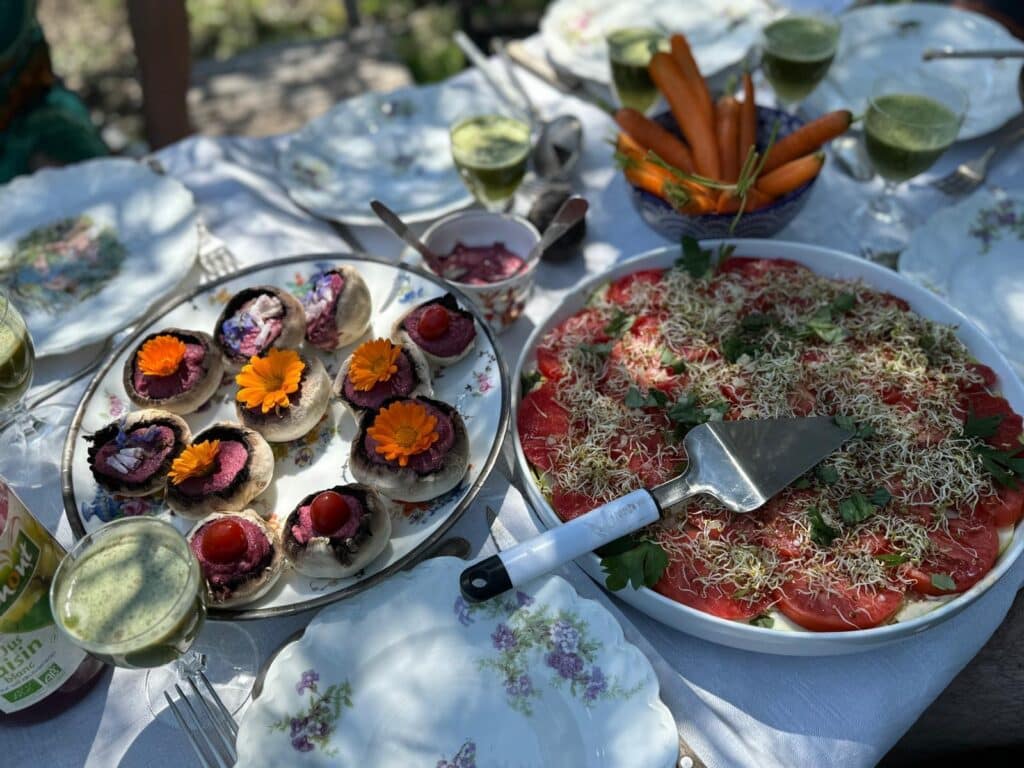
“The majority of people do not seek the truth. They primarily want their beliefs to be validated as the truth.” Osho Between raw foodism, fruitarianism, the paleolithic diet, macrobiotics, micronutrition, Living Nutrition, etc., not to mention their variations depending on who is talking, it can be quite confusing, especially if one believes that nutrition will be the solution to all our ills as it is sometimes presented… or sold! Yet, after reading about fifty books on the subject, experimenting with Living Nutrition for 10 years, and accompanying several hundred clients (cf hygienist support), I feel I have uncovered some unprecedented keys to understanding that I want to share! For there exists an original approach that neither condemns nor endorses any of its various dietary currents while providing a guiding thread to transition from one to another over time and according to needs. But before presenting to you, in the last paragraph, what I call “THE good nutrition,” I propose to share the logical journey that led me there and gives it credibility. In search of Living Nutrition, 1st attempt Twenty years ago, when I was 20, I became passionate about endurance sports (cycling, running, and swimming) and modified my diet to limit injuries and improve my performance. Thus, I gradually adopted an organic, local, homemade diet without sodas, cold cuts, chocolate, or industrial food. Then, a few years later, to gain autonomy and improve the quality of my food, I started raising my own poultry (chickens, ducks, turkeys, rabbits) and cultivating a vegetable garden and an orchard. This allowed me to produce half of the food I needed for my consumption. At that time, I ate everything (except industrial food) and was even followed by a dietitian to prepare for my expeditions. I lived in the countryside, stress-free, my diet was healthy, and my lifestyle ideal, at least according to the criteria of Femme Actuelle and the WHO. To learn more, I detail this initial transition in this article on local and organic. Despite my commendable efforts, my health deteriorated, and year after year, my myopia, allergies to cat hair and pollen, skin problems, and sciatica worsened inexorably. Yet, I did not see how to take better care of myself since I was already following all the official recommendations! Why did I set the goal of eating 100% plant-based and living? At the time, I had a vegetarian friend, and I remember finding the idea absurd. As I reached the limits of the “organic, local & homemade with love” model, life disrupted my habits through the experience of a spontaneous fast (an experience described in this article on the reason for my dietary change) which led me, step by step, to read the bestseller “What if we stopped eating from time to time…” by Bernard Clavière, where I learned with astonishment that there are people in the world (Gandhi was one of them, cf his autobiography) who live very well by exclusively consuming plant-based and living food. My intuition, which has saved my life more than once even when what it whispers to me is not always acceptable to the mind (cf this video on the role of intuition — please note: this video is currently in French, but you can activate YouTube’s auto-generated subtitles in English while we work on providing a dedicated English version), urged me to wholeheartedly adopt Living Nutrition and to establish it at the center of my life. It was then that, within a few years, unexpectedly, I shed almost all of my health problems that had been escalating until then. Why do I no longer consume animal products at all? Initially, my dietary changes were not motivated by the animal cause but by the search for optimal nutrition for human beings. If animal proteins were good for health, I might be the first to eat them. If I have not touched them at all for 10 years, it is primarily because I scrupulously follow my intuition, which clearly and distinctly tells me: “Animals, now, we leave them in peace!” As I needed to intellectually understand the message of my intuition regarding animal proteins, I extensively researched the subject. Today, I am led to believe that the less we consume, the better it is, for the many reasons I enumerate below: From reading Bernard Clavière’s book, I became aware that there are human beings who live in good health without consuming any animal protein. The genetic difference between two human beings being at most 0.6%, this is a strong argument for asserting that the consumption of animal proteins is not a need but simply survival food when fruits, vegetables, and nuts are lacking. For if it were truly a need, no vegan person could live in good health. The superiority of animal proteins over plant proteins has no scientific basis (cf this report on the protein myth and the work of Dr. Morse in his book “The Miracle of Detoxification”). Moreover, every protein must be broken down into amino acids before being assimilated by the body and recomposed into protein. Furthermore, the foods richest in protein are plants (cf the report on the protein myth). The body is capable of producing its own vitamin B12 provided that its intestinal microbiota is healthy and well-maintained (cf this article on B12). From a biochemical perspective, there is no scientific evidence of any nutrient that is essential to humans and that can only be found in animal products. However, some studies are deliberately biased to influence public opinion. In truth, our actual needs for amino acids, vitamins, minerals, fats, etc., are not well defined; they are only, at best, estimates based on samples of people who eat everything, when they are not simply unfounded claims (as with the supposed superiority of animal proteins). Moreover, these official estimates do not take into account all the capabilities of the intestinal microbiota (when it is healthy) nor the transmutations of elements. To learn more about this, read this article on
Why do I not eat only organic, local, and seasonal?

“As problematic as the synthetic chemical substances present in your environment and food may be, they are not the main cause of cancer.” T. Colin Campbell “The Campbell Report” I started my dietary transition about fifteen years ago to move towards an exclusively local and organic diet. A few years later, I embarked on the adventure of food autonomy by producing almost half of my food through a vegetable garden, an orchard, and poultry. And by cooking everything at home. At the same time, my lifestyle was impeccable (according to commonly accepted criteria) with a physical outdoor job, sports, country living, and no stress. I ate nothing industrial, no soda, no alcohol, no cold cuts, but plenty of fruits, vegetables, and only homemade dishes with organic products. Yet, it was during this time that my health deteriorated. I had allergies to cat hair, pollen, sciatica, skin problems, and sweating issues. This showed me that organic, local, and homemade does not prevent illness. I experimented with this dietary mode for years, which I considered top-notch until an experience changed my life (see article “Why I Changed My Diet?”) and I discovered the principles of Living Nutrition. Since I have been eating exclusively living foods (see article “The Origins of Living Nutrition”) my aforementioned health problems have almost all disappeared, and my relationship with food has evolved. I no longer see it merely as a means to fuel my body but also as a way to detoxify and regenerate it. Gradually, I observed that Living Nutrition transformed me on all levels: physical, mental, emotional, and spiritual. Thanks to it, I feel more aware and connected to my intuition than ever, which has greatly contributed to improving my quality of life and bringing me closer to the state of Optimal Health (see article “Hygienism: Optimal Health”). My relationship with taste pleasure has also transformed with Living Nutrition. The food addiction caused by refined sugars, fats & salts, and Maillard molecules has been replaced by the indescribable joy of listening to my body and giving it what it truly needs. This is a unique experience that can only be understood by living it and transcends the pleasures of traditional cooking. Feeding exclusively on living foods is such an incomparable experience of regeneration and reconnection to nature and the Self that any backward step is unthinkable. This revolutionary experience led me to consume only organic and local products. Reasons why I no longer consume exclusively organic: When transitioning to Living Nutrition, one buys much more fruits and vegetables than before, which significantly impacts the budget if the fruits and vegetables are organic. One can end up with a very high food budget (200 euros per person per week, or more). The conclusion is clear: either we also buy foods from conventional agriculture, or we start eating inexpensive cooked foods like cereals and legumes again. Most exotic fruits like avocados, mangoes, pineapples, etc., are generally not treated, except sometimes for preservation, which is why putting an organic label on these foods often makes no sense. Indeed, exotic fruit trees are naturally robust, so they require little or no treatment, unlike those from our temperate regions, which are remnants of the last glaciation and must be grafted to produce sweet fruits. Some fruits from conventional agriculture are sometimes of equivalent quality to organic. Simply because some producers practice organic farming without having the label to avoid administrative constraints. Moreover, the value of the organic label should be relativized due to all the harmful treatments allowed and all the exemptions granted for the use of phytosanitary products. Not to mention organic products coming from outside the European Union, for which there is no control. According to studies conducted by American doctor Norman Walker, who wrote “Fresh Fruit and Vegetable Juices”, pesticides that are hydrophobic mostly cling to insoluble fibers (made of cellulose that we do not digest) and are therefore not absorbed by the body, provided that these plants are consumed raw. I believe that the main poisons impacting health are the acids and glues generated by cooked or animal-derived foods (see article “Cleansing, the keystone of hygiene!”) and not pesticides. In light of the previous considerations, cooked or animal-derived foods sold as organic are, in my view, more harmful to health than fruits and vegetables from conventional agriculture. In conclusion Experience shows that with Living Nutrition, even if the fruits and vegetables are not organic, the body regenerates. This is not the case with only organic but a large share of cooked foods. Furthermore, the organic market has become a lucrative business (especially for large retailers who make larger margins than with conventionally produced foods) that drives up prices without necessarily ensuring consumers have quality products. Even if organic is almost always better (at all levels) than conventional, I do not think it is the future. The ideal is to eliminate intermediaries and go directly to the producer, or to use ethical intermediaries. This is the best way to benefit from a reasonable price and to be informed about the agricultural methods used. I am convinced that these methods will evolve willingly or by force towards “organic” practices, whether a label is present or not for verification. Reasons why I no longer exclusively prioritize local: When one understands and feels how much we are made to primarily eat fruits, every meal becomes a great celebration where pleasure and health finally align. After years of deprivation of living foods, our body then demands the best fruits. And it is often the exotic fruits that we appreciate the most since we are made to live in the tropics. There is then a dilemma between listening to the needs of my body (which has been quite mistreated until now) and limiting the transport of goods. If one confines oneself (when living in a temperate environment) to eating only local fruits (like apples, pears, and oranges), one will quickly feel frustrated. Already, the dietary transition to plant-based and living is
The impact of living food on the environment

https://youtu.be/UsigH2Skfdg?si=qGcvSR7l_yAO15cr During conversations with the public during workshops or with people who contact me via the Internet, I noticed that many people believe that an omnivorous but local diet is more environmentally friendly than a living food diet (raw plant-based) which often favors imported fruits and vegetables from outside our regions. This is the purpose of this article: to determine, with reliable sources, the ecological footprint of these two types of diets, local omnivore vs. raw vegan, and to determine if they are compatible with a “sustainable” future for our species. One of the principles of a living food diet is to listen to your cravings as long as they guide you towards raw plants. Because the human body can identify (in the case of raw plants only) the nutrient content of what it is given, it can then guide us towards the fruits and vegetables that will heal us, fill our deficiencies, or simply nourish us best. By listening to one’s instinct, it is complicated (for now, as you will see at the end of this article) for a raw vegan to also be local under our latitudes (I am speaking for central France and those further north). This is why a raw vegan may consume bananas, dates, mangoes, avocados, pineapples, ginger, turmeric, cashews, Brazil nuts, etc., for a significant part of their meals. Especially at the beginning when they have deficiencies to fill, then this consumption of exotic fruits decreases. As I have already explained in the articles “Why did I change my diet?”, “Eating Living?” and “Cleanses, the Keystone”, my opinion, supported by experience, is that the diet best suited to humans is a predominantly plant-based and living diet (i.e., raw plant-based). If this viewpoint seems contradictory to you given that many centenarians have eaten “everything” during their lives, then I suggest you read this other article: “What is hygienism?”, and you will then see that the parameter “diet”, even if it is important, is not the only one. Indeed, a life in pure fresh air, without stress, with periods of fasting or restrictions (war or poor harvest) and with physical activity spares many diseases. The lives of all these centenarians are therefore not at all in contradiction with the principles of living food. And then, who tells you that under optimal conditions on all levels we wouldn’t live to 140 years? Diet and Carbon Dioxide But let’s get back to our topic and, despite these considerations, let us first calculate the GHG (Greenhouse Gas, sometimes noted CO2e for “carbon dioxide and equivalents”) balance of a local omnivore vs. a raw vegan. According to the ADEME (Agency for the Environment and Energy Management), the fact that it is under the supervision of a ministry guarantees that there is no bias towards vegans!), an omnivore consuming only natural products within a 200 km radius emits for: a meal with beef: 6290 g of CO2e (see appendix 1) a meal with poultry: 1350 g of CO2e (see appendix 2) a vegetarian meal: 510 g of CO2e (see appendix 3) According to this agency, the average GHG balance of the diet is currently 4.5 kg of CO2e per day per person. Official recommendations advocate for a more moderate, reasonable, and local diet (less than 200 km) called “flexitarian” (-31% meat, -40% wild fish, -69% processed industrial products, -46% refined flours, +95% vegetables, grains, and legumes) which would yield a balance of 2.8 kg of CO2e per day per person. This is therefore what can be achieved better from an omnivorous diet in terms of GHG balance. As for the “degrowth” advocates who would argue that one can live the old-fashioned way: feeding on grains, legumes (in this regard, read the article addressing the issue of starches) and poultry, know that according to the documentary film Cowspiracy and several independent studies conducted by specialists in agroecology and permaculture, they arrive at more or less the same conclusion (which all those who have tried to live in autarky will agree with): It takes an average of 700m2 to feed a vegan compared to 3500m2 for an omnivore who would consume very few animal products, which is 5 times more space. It should also not be forgotten that these additional spaces required for the omnivore are deforested to allow for grazing or to sow grains on soils depleted by plowing, monoculture, fertilizers, and pesticides. A source of pollution that adds to that of GHGs. A first conclusion must be drawn regarding the GHG balance (per day and per person) related to diet alone: Currently, an average French person emits 4.5 kg of CO2e. A flexitarian local French person (concerned about their health, the planet but omnivorous) consuming only foods produced within a 200 km radius emits 2.8 kg of CO2e (see appendix 4). An individual (if they exist) who is omnivorous and lives in autarky with organic production and consumes very few animal products would be responsible for a negligible share of GHG emissions but would need at least 3500 m2 of land. Now let’s assess the balance for a raw vegan: According to the software developed by eco2 initiative (This link leads to a website in French. To read it in English or another language, simply copy the URL and paste it into Google Translate https://translate.google.com/?sl=fr&tl=it&op=translate) in collaboration with ADEME, a raw vegan who would consume the following typical menu (2050 Kcal) in their day: 200g of avocado outside Europe 200g of local carrots (less than 200 km) 40g of cashews outside Europe 50g of olives from Europe and the Mediterranean 50g of vegetables outside Europe 60g of almonds Europe and Mediterranean 250g of bananas outside Europe 500g of local apples 300g of fruits outside Europe 25g of olive oil from France would be responsible for an emission of 1.9 kg of CO2e per day, which is 1.1 kg less than a flexitarian French person (over a year, the difference is equivalent to a flight from Paris to New York) and 2.6 kg
Vitamin B12 and Living Nutrition
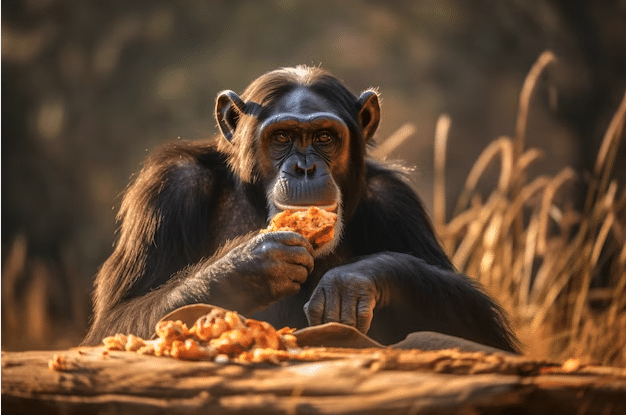
“The only thing we have to fear is fear itself.” Franklin Roosevelt Here is the result of reflections on vitamin B12 deficiencies, summarized in 7 steps: Step 1: Let’s go back to basics with some reminders that are never superfluous about our origins Humans are primates belonging to the great ape family. This family also includes the bonobo, orangutan, chimpanzee, and gorilla. These species are frugivorous (between 95 and 99%) and occasionally eat small animals and insects. Except for bonobos and the gorilla, the largest of the primates, which is (almost) exclusively vegan (with a few insects). Considering the phylogenetic tree from which humans originated, it makes sense to consider that humans are also, at their core, frugivorous. The question is whether the small amount of animal protein consumed by bonobos, chimpanzees, and orangutans is a biological necessity for them or if it is merely an adaptive capacity left to these species to adapt in case of food shortages, for example due to climate change, thus increasing their chances of survival. From my point of view, all great apes can thrive on an exclusively vegan diet, and if they eat something else, it is simply out of opportunism. Two reasons suggest that this small amount of animal protein in great apes is not a necessity. On one hand, the example of the gorilla clearly shows that it is possible to live being (almost) exclusively vegan, moreover without being rachitic. On the other hand, there is nothing essential found in animal products that we cannot find in the plant kingdom or that is not produced by our microbiota. This raises the famous question of B12…. In the meantime, to summarize, if you are afraid of lacking protein and B12, seriously ask yourself where gorillas find theirs… You might object that humans are not like other animals and that they became hunter-gatherers about 2 million years ago. That is true, but their digestive system inherited from 65 million years ago (the appearance of primates) has retained all the characteristics of a frugivore. If we have been able to significantly modify our diet, it is solely through our technological inventions, the first being throwing weapons and stone tools. We can be proud of our ingenuity and great adaptability, but the dietary changes induced remain unnatural. The technology that alters our diet is therefore not a recent phenomenon; it dates back to the appearance of homo sapiens sapiens and not to the last industrial revolution. To learn more about this subject, read: “The Origins of Living Nutrition” Step 2: What is vitamin B12 and where is it found? B12 is a vitamin that contributes to the proper functioning of the nervous system and the production of red blood cells. It is therefore important but not more so than other vitamins. If it is so famous, it is because it is not found in significant quantities in plants and fruits, which leads to the belief that one will be deficient in B12 if one is vegan or even vegetarian. Small parentheses: Being vegan does not inform us about the quality of our diet and is not at all a guarantee of good health. Indeed, one can very well be vegan and survive on coffee, cigarettes, and starches (for example). That is why we talk here about plant-based and living nutrition. A vegetarian who still consumes dairy products and/or eggs will obtain their B12 exogenously through these foods that contain it. The only organisms capable of producing B12 are microorganisms. No known animal or plant has the enzymatic tools to produce it. It is only by ingesting bacteria, microscopic algae, and yeasts or by associating with them that animals and plants enrich themselves with B12. That is why we will mainly find B12 in animal products but also in algae. If the main source of this vitamin is found in animal proteins, it is simply because the animals themselves are supplemented with vitamin B12 through their diet and… their microbiota! And for good reason (let’s remember): the only living organisms capable of synthesizing B12 are microorganisms. There are 3 main natural forms of vitamin B12: methylcobalamin, adenosylcobalamin, and hydroxocobalamin. This detail is important because some supplements are not produced from the natural forms of B12 but with a synthetic form: cyanocobalamin. Step 3: The role of our microbiota It is estimated that our digestive system houses about 100 trillion bacteria, which is what we call the intestinal microbiota or gut flora. These bacteria that colonize us live in symbiosis with their host, that is to say, us. A symbiosis is a lasting biological association that is mutually beneficial between two living organisms. The deal established with them is that we provide them with a habitat to live in with food (the soluble and insoluble fibers from plants) and, in return, they contribute to the survival of their host by supporting our immune system and providing us with what we do not find in our preferred foods, namely, fruits. If we synthesize what has been written previously, we have a frugivore digestive system housing about 100 trillion bacteria, of which we know they are the only ones capable of producing something vital for us: B12. Do you think they have forgotten what their host needs to survive? Unlikely! Moreover, it has been proven that the microbiota produces B12, but some “specialists” believe it is not absorbable because it is produced too far down the digestive system. How can one think for a second that a vital vitamin in the body could be produced and not absorbed? The body is not the type to do things for nothing… In summary, it is reasonable to think that a vegan obtains their vitamin B12 from the bacteria living in symbiosis in the digestive system. Step 4: B12 deficiencies Currently, B12 deficiencies mainly concern farm animals (fed grains and flours) and humans who eat “everything.” This deficiency is absolutely not the exclusive domain of vegans! In both humans and animals,
The transition to living nutrition
https://www.youtube.com/watch?v=onUFfCeofHw Please note: this video is currently in French, but you can activate YouTube’s auto-generated subtitles in English while we work on providing a dedicated English version. “Moderation? It’s mediocrity, fear, and confusion in disguise. It’s the devil’s reasonable deception. It’s the compromise that satisfies no one. Moderation is for the weak and the fearful, for those who are unable to take a stand. It is for those who are afraid to laugh or cry, for those who are afraid to live or die. Moderation is lukewarm tea, the drink of the devil!” The Peaceful Warrior, Dan Millman To better understand what follows, I suggest you read beforehand: ” Eating Live?” and ” What is Hygienism?“. In our current society, there is no one who eats 100% plant-based and live because we are all led, even if only occasionally and in small quantities, to consume cooked or heated foods at some point or another. This is inevitable because live food is not yet widespread enough for us to nourish ourselves as we wish whenever we are away from home. Even without that, some foods sold as “raw” are not. However, when I am questioned on the subject, I take the shortcut of claiming that I eat exclusively plant-based and live because my exceptions in this matter are rare and in small quantities. That said, it is possible for some people to reach a balance where they do not crave anything other than raw fruits and vegetables. Mental strength does not come into play here; it becomes natural because it corresponds to an optimum of pleasure and well-being. This may seem surprising at first, but the best proof of this assertion is to observe that once the body is accustomed to eating live in large proportions: cooked food, and even more so industrial food, becomes significantly less appealing when it does not provoke disgust. To achieve this result, we have two decisive tools: naturopathic detox techniques and the CRUsine (which is done with a blender, a food processor, and a dehydrator) that allows us to recreate all the flavors and textures of traditional cooking, making any potential frustration forgotten. These two tools can be used for several years before the body settles for raw or minimally mixed foods. The motivations At the starting point, there is dissatisfaction (weight issues, fatigue, decreased sports performance, etc.), an illness, a mystical experience (spontaneous fasting, a vision, a dream, etc.), or an awareness (ethical, ecological, the suffering of a loved one, etc.). It is this need to give meaning, without playing the victim, to the situations we live or go through that leads us to change our beliefs to adopt others that will make us happier, as they are closer to our reality. We then seek information on another way of eating: we surf the internet, read, and discuss the subject with experienced or inexperienced people. And there, we quickly realize that existing diets are varied and often contradictory. To better understand these apparent contradictions between different approaches, it is important to present some notions of physiology : The human body is composed of about 40 liters of lymph (read the definition on Wikipedia) of which 5 liters is called “circulating” lymph because it circulates throughout the body with the role of cleaning it of toxins. Due to decades, for most of us, of traditional eating, the lymphatic fluids in which our cells bathe are saturated with toxins and our immune system, whose role is to clean these fluids and our cells, is overwhelmed. Animal products consumed in excess as well as all cooked foods tend to weaken the immune system and clog the body. When we start eating plant-based and live in large proportions, the immune system is boosted and a major cleaning begins. A cleaning that, over several years, will load the circulating lymph faster than it can eliminate waste through the emunctories (liver, kidneys, intestines) because these are most often weakened by several decades of non-physiological eating that produces waste. Hence the appearance of elimination crises and the need to relieve the body with practices that help lymph to circulate (sports, movements, massage, etc.) and naturopathic detox techniques that will greatly facilitate evacuations. Otherwise, cravings for non-physiological food will loop, sometimes obsessively. The difficulties The difficulties in giving up cooked or animal-derived foods are mainly related to the symptoms of withdrawal and detoxification of the body. It has even been known for a short time that the lymphatic system passes through the brain, which is one reason, among others, why our food cravings and moods are influenced by the toxic load of the entire body. The same goes for the nature of our gut microbiota composed of 10 trillion bacteria and viruses (it’s no coincidence that the intestines are nicknamed the second brain) which influences our food cravings and has a direct impact on our health. On the other hand, what is rarely discussed, and which I consider a major difficulty, are the energetic and emotional changes brought about by living nutrition. Everything in LIFE is Vibration, Information, and Energy, which is why changing (sometimes radically) one’s diet has repercussions on all levels of our being. This plant life that we ingest strongly disrupts our energetic structure (made up of our beliefs, emotional state, thought patterns, etc.) and it may simply be that we are not ready to experience too radical changes, or that it is not the right time! The subtle art of managing detox Faced with these uncontrolled and endured detoxes (physical, emotional, and energetic), some come to think that we need cooked food or animal products to be in shape when in reality it may simply be that our bodies (physical, emotional, and energetic) are not ready to welcome and live this transformation with serenity. Hence the necessity to reconnect with one’s feelings and assess what is right for oneself without strictly following recommendations. That said, I believe it will be beneficial in most cases to introduce (gradually) at
The frequency of meals in living nutrition
“I see only one way to know how far we can go: it is to set out and walk.” Henri Bergson, “The Perception of Change” (1911), collection: “The Creative Mind”. “A quarter of what we eat nourishes our body, the rest nourishes the doctor.” Inscription engraved on an Egyptian pyramid, 3800 BC. “To reach the Truth, one must, once in their life, rid themselves of all the opinions they have received, and rebuild anew, from the foundation, the entire system of their knowledge.” René Descartes ” As long as there are men who will not obey their reason alone, who will receive their opinions from a foreign opinion, all the chains would have been broken in vain.” The Marquis de Condorcet Chronic hunger Skipping a single meal is generally uncomfortable, and for good reason, the ritual of three fixed meals hides a dependency. Let us take a closer look at the origin of this food addiction unknown to the general public. Let us turn our gaze inward, to our intimacy, when our body tells us “I am hungry.” Cereals were introduced, along with dairy products, at the beginning of the Neolithic, about 10,000 years ago. It is during this period that we observe the frequent appearance of dental caries, whereas they were almost non-existent among hunter-gatherers. Moreover, life expectancy dropped among these pioneers of agriculture, whose average height decreased from 1.73m (in the Paleolithic) to 1.63m (in the Neolithic), signs that living conditions were less favorable during the agricultural era. It took until the 1970s for humans to regain their initial stature and exceed it by 3 cm today, undeniably thanks to improved living conditions, the development of medicine and agronomy, without ignoring the collateral effect of growth hormones given to livestock. While cereals are a boon to free humanity from its carbohydrate needs, the flip side is that the starch (a chain of glucose) from refined cereals (the famous white bread) and even more so industrial sugar (the average daily consumption of industrial sugar per person in France is currently 100 grams, whereas in the 19th century, it was only 5 grams), not to mention fruit juices (there is a parallel between the consumption of added fructose or fruit juices and the frequency of obesity), cause blood sugar levels to rise too quickly. Unlike fruits and vegetables, whose presence of fiber and water changes the game by slowing down absorption, which occurs gently. The hypoglycemia epidemic In common language, the term “sugar” can refer to any sugar. On a nutritional label, the term “sugars” refers to all carbohydrates with a sweetening power, mainly fructose, sucrose, glucose, maltose, and lactose. White sugar (or sucrose) contains 50% glucose and 50% fructose, while fruits mainly contain fructose. Fructose, which has a sweetening power superior to sucrose, by 20 to 40%, does not cause sudden hyperglycemia in sedentary individuals consuming it through fruits. However, the rapid increase in blood sugar levels causes hyperglycemia, which, if repeated daily, is particularly harmful to body tissues. This is why our pancreas reacts with a strong and urgent production of insulin, often in excessive amounts, which will store these excess sugars in the form of fats, triglycerides, to the detriment of liver health. This high production of insulin, in response to the consumption of foods that release sugar too quickly, can, in the long term, fatigue the pancreas and, in the short term, it causes hypoglycemia that occurs about 4 hours after eating. This coincides with clock-like precision with the time of the next meal or snack. Here is the first of three mechanisms that encourages eating multiple times throughout the day: hypoglycemia due to a diet containing refined cereals and industrial sugar. In addition, there is the body’s self-cleaning process that kicks in as soon as digestion is finished, a process that can hardly function except at night when one eats three times a day. Read about this in “What if we stopped eating a little… from time to time” (original title: Et si on s’arrêtait un peu de manger…de temps en temps) by Bernard Clavière for more information on the mechanisms of fasting and its effects on the human body. The side effects of detox This cleaning has undesirable side effects, particularly in individuals who have never fasted, especially as the body is intoxicated by poor eating habits. Confused mind, lack of energy, anxiety, bad mood, blurred vision, coated tongue, acne, bad breath, need to blow one’s nose, swollen face, stiffness, dizziness, general fatigue, etc., are symptoms familiar to billions of human beings upon waking, those who believe they are favored by progress. Breakfast, by temporarily stopping this cleaning with undesirable effects, appears as the savior. That is why, contrary to what popular wisdom claims, breakfast would rather be the most harmful meal of the day since it interrupts a beneficial cleaning process that should be allowed to function a little each day. For what strange reason, after a night of sleep, would we need stimulants to start a day? Moreover, it is observed that a healthily nourished body is not hungry in the morning. Besides, the entire animal kingdom sleeps or rests after eating; it is unnatural and even counterproductive to go to work with a full stomach, as athletes well know. Science has largely demonstrated that caloric reduction accelerates neurogenesis. It is generally believed that adults no longer produce neurons, but this is false. And this process is accelerated when you fast. More neurons are produced in the hippocampus. This even led a California startup to have its employees fast for 36 hours to boost productivity. If the ends are debatable, the method has once again proven its effectiveness. The psyche The last mechanism that conditions us operates in the psychological domain. During the fetal stage, the placenta that nourished us was rich in carbohydrates, just like breast milk (or substitutes). That is why we have, beyond our physiological needs, a great appetite for sweetness, especially in times of stress. By stimulating
The Origins of Living Nutrition
https://www.youtube.com/watch?v=y9-yiSl_Vq4&t=4003s Please note: this video is currently in French, but you can activate YouTube’s auto-generated subtitles in English while we work on providing a dedicated English version. “Look at the birds of the air: they neither sow nor reap, nor gather into barns; and your heavenly Father feeds them. Are you not of more value than they?” Gospel of Jesus Christ according to Saint Matthew, chapter 6, verse 26 “I teach men a new will: to consciously want the path that man has blindly walked, to judge it good and no longer to stray furtively from it, as the sick and the dying do.” Thus spoke Zarathustra, Nietzsche “In the past, believing that people of color were truly human and should be treated humanely was considered madness. Today, it is seen as exaggerated to claim that one of the duties imposed by rational ethics is to respect what lives, even in its lower forms. But one day, it will be surprising that it took humanity so long to admit that careless depredations caused to living beings are incompatible with ethics.” Albert Schweitzer (1875 – 1965), Alsatian physician and philosopher, Nobel Peace Prize laureate in 1952 When I returned from the Loire journey, I urgently read the book by Bernard Clavière, which had the effect of an electric shock on me. On a whim, as I know I can have, I permanently purged from my cupboards all animal-derived foods (meat, fish, dairy products, eggs), cereals, and legumes, and of course, refined sugar; all suddenly and irrevocably fallen from grace. According to this new paradigm that I wished to embody, only fruits, vegetables, nuts, and sprouted seeds remained at my disposal, which I also decided to eat exclusively raw. This is what is called a plant-based and living diet because nothing is cooked and everything is of plant origin. The funny people who eat this way, sometimes called “raw vegan,” lead a simplified life: nothing to cook and very few packages to manage. The logic underlying this revolution was quite simple and took its origins far back, to the origins of humanity, before regrettable centuries of culinary traditions obliterated our instinctive knowledge of the laws of life. At the dawn of humanity Let us remember: The evolutionary history of human beings is still far from being fully established, but the oldest fossil found of the genus Homo dates back 2.8 million years with Homo habilis, named for its skill in handling and creating its own tools. As for modern humans, Homo sapiens, they are believed to have appeared 200,000 years ago. We are part of the great family of hominids, which appeared 7 million years ago, encompassing animal species such as bonobos, chimpanzees, gorillas, and orangutans, not to mention all the extinct species including Neanderthal. Excluding humans, all members of our family have maintained a diet based on fruits, vegetables, and seeds (between 95 and 99%) with a marginal consumption of insects and small animals (between 1 and 5%). This does not prevent them, by the way, from having canines much more developed than ours. Emerging humanity, before the advent of Homo habilis, was therefore raw foodist (eating only raw foods) and consumed almost exclusively fruits, tubers, young shoots, and leaves. Then, about 2.5 million years ago, the proportion of meat in our diet gradually increased, leading some to say that the Paleolithic diet, which favored meat, is the ideal diet for contemporary humans. This ability acquired during evolution to digest more meat than their constitution initially allowed was crucial in the emergence of modern humans and their emancipation across the planet. Alongside this change in dietary habits, early humans developed weapons for hunting and became exceptional runners (see “The Story of the Human Body” by Lieberman). 600,000 years ago, a new string to their bow was added to ancestral techniques with the domestication of fire (some estimates place this domestication at 1.7 million years ago) and cooking, particularly of vegetables. Contrary to popular belief, cooking meat was not essential, as evidenced recently by the Inuit (or “Eskimos”), who consumed raw meat. Richer in vitamins than cooked meat, this raw foodism was essential for survival near the polar circle, where 80 to 90% of the diet was carnivorous. In contrast, cooking leaves, roots, and tubers facilitated their digestion and allowed for a large consumption of plants from which maximum glucose was derived (soluble fibers turn into sugars when heated), this fuel being essential for the brain. In our modern world, the decrease in our caloric needs as well as the selection of many tender cultivars (fruits and vegetables) with an incomparable sugar richness compared to the wild flora of the Paleolithic makes cooking food inappropriate because it decreases, among other disadvantages, the bioavailability of micronutrients. From gatherer to gatherer-hunter We then had the means to leave the tropics and set out to conquer our beautiful planet. For this, it was essential to ensure a sufficient supply of meat, the only food available in all seasons at all latitudes. Humans then clearly distinguished themselves from other hominids, becoming nomadic and hunter-gatherers. From the equator to the Arctic Circle, the share of carnivorous food went from a quarter to almost totality, a latitudinal gradient still marked today. Hunting, with the cooperation, analysis, and abstraction skills it requires, has been a determining catalyst for intelligence. Bipedalism, tool use, and hunting have favored the development of the human brain, both by stimulating our cognitive abilities, cooperation, and inducing an increased food intake. The brain, which runs exclusively on glucose, is indeed the organ that consumes the most energy (one-fifth of daily metabolism in an adult). The colonization of Europe by Homo sapiens, which occurred late, only 40,000 years ago during the Ice Age, is indicative of the resilience and intelligence of our distant ancestors who actually had a larger brain than ours. The brain of modern humans is indeed 15 to 20% smaller than that of Cro-Magnon who lived 30,000 years ago. Put yourself in