The mechanisms of detox
Detoxes are trending because, by reducing toxicity, they directly address the root causes of health problems. This article aims to shed light on the underlying mechanisms of detoxes and to enumerate the different ways to implement them.
First of all, it is important to be aware that detoxes occur daily, whether we are interested in them or not. Indeed, every day the body cleanses itself; otherwise, it would no longer be able to function. Toxins that hinder the proper functioning of the body, whether endogenous (related to the normal functioning of the body or to inappropriate food combinations) or exogenous (non-physiological food or combinations, medications, pollution, etc.), are expelled daily through urine, feces, skin, lungs, mucous membranes, etc. Those that could not be eliminated, due to lack of time or energy, are stored.
This vital self-cleaning mechanism is mainly active when the organs of the digestive system are no longer engaged in digesting and assimilating food. They are then mobilized to detoxify the body of its toxins stored in cells, tissues, fluids, fats, etc.
This explains why, after a night of sleep, the body shows signs of detox such as blurred vision, a swollen face, a coated tongue and breath, a confused mind, a stuffy nose, etc. All these symptoms fade as soon as we put our body in motion (thanks to better oxygenation and lymphatic circulation) or restart the digestive system (with breakfast). To learn more about this, read this article on meal frequency.
The role of the lymphatic system
The lymphatic system, with its 4 to 5 liters of circulating lymph, is the key element of the immune system and detox mechanisms because it is responsible for collecting cellular waste and toxins to transport them to the emunctories, the exit points of the body. That is why it is crucial to maintain good lymphatic circulation; otherwise, detoxes are slowed down and elimination crises (better known as diseases) are more likely to manifest.
If the body’s self-cleaning system is insufficient, we can take the initiative and use, in the short or long term, naturopathic detox techniques, cleanses, diets, purges, etc., which will support the body in its work of eliminating toxins.
For detox to be effective and sensible, there are 4 main areas of development to consider. Here they are in order of priority:


The 4 aspects of detox
1) Reduce the intake of toxins
When we reduce the amount of toxins brought into the body, it is naturally better able to purify itself through a difference in osmotic pressure in biological fluids. Here are the different ways (which can be combined) to reduce the intake of toxins:
- Stop or limit the most harmful foods as well as unfavorable food combinations. For personalized advice, read this article on the stages of dietary transition.
- Reduce fat (even plant-based and raw) because it slows down lymphatic circulation, thus the elimination of toxins. To learn more, read this article on our lipid needs.
- Reduce the quantities of food, without changing the content. One possibility is to implement intermittent fasting.
- Improve personal hygiene by avoiding all products (soap, toothpaste, perfume, cosmetics, etc.) containing non-natural components, as these enter the body through the skin pores, mucous membranes, or lungs.
2) Open the emunctories and drain
The main role of the emunctories is to expel toxins from the body. The three main ones are the liver, kidneys, and intestines. The secondary ones are the skin, lungs, mucous membranes, and eyes. Drainage simply involves promoting the movement of matter and fluids, such as intestinal transit as well as blood and lymphatic circulation.
Here are the different ways (which can be combined) to open the emunctories and drain:
- The most important is physical activity, which alone performs 50% of the detox work. It is inseparable from good health as it opens all the emunctories, drains, vitalizes, regulates appetite, and improves transit. Ideally, 40% of the calories ingested should be burned through physical activity. To learn more about the benefits of physical activity, read this article.
- Good sweating is also important because the skin can detoxify more than the kidneys if it is well engaged.
- Additionally, exposure to cold (cold baths or showers, alternative baths, etc.) helps, among other things, to decongest organs, tone the fascia, and improve blood and lymphatic circulation. To learn more about hormesis through cold, read this article.
- Blood and lymphatic circulation can also benefit from stimulation through massages and cupping.
- In terms of personal hygiene, nasal irrigation (using a neti pot) and dry brushing of the skin (which opens the pores and stimulates drainage) are good complements. To learn more about personal hygiene, read this article.


3) Provide energy
A sufficient level of energy is necessary for the body to perform the cleanses for which it is naturally designed. For this:
- Getting enough sleep and rest is essential.
- Just like exposure to sunlight (without sunglasses or sunscreen) which recharges energy and allows for sufficient vitamin D production, which is essential for various vital functions. An average of 20 minutes of exposure per day would be sufficient. To learn more about the benefits of sun exposure, read this article.
- With about 15 kg consumed each day, air is our primary food, which is why functional breathing (i.e., nasal, silent, abdominal, and with a respiratory rate below 12) is also crucial. To this, we can add hyperventilation exercises (such as holotropic breathing – Translation note: this video is currently in French, but you can activate YouTube’s auto-generated subtitles in English while we work on providing a dedicated English version -, Wim Hof breathing, etc.) which have the merit of vitalizing through oxygen, alkalinizing the blood through bicarbonate formation, and expelling volatile acids through the lungs.
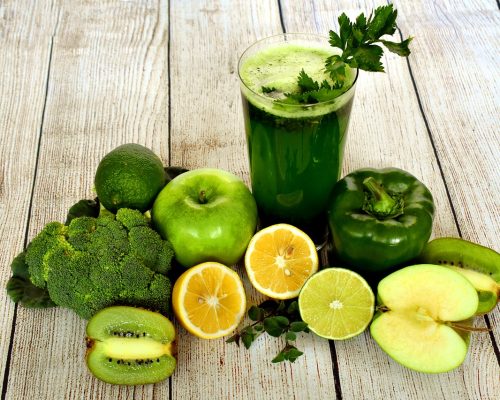
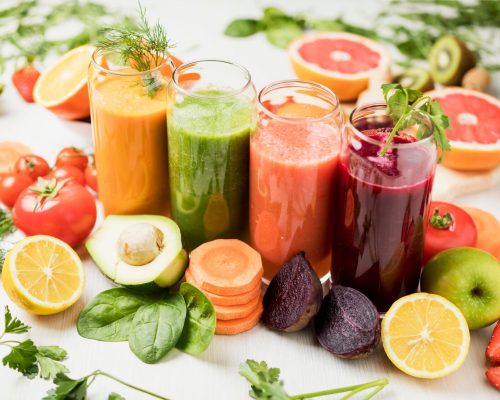
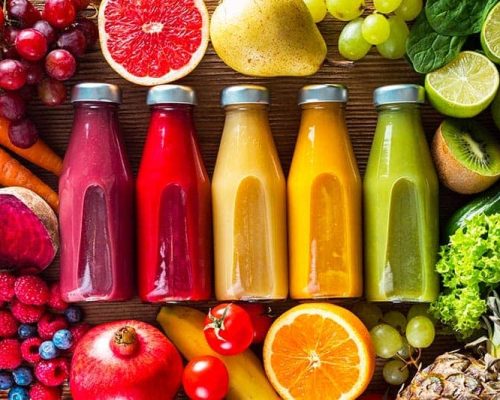
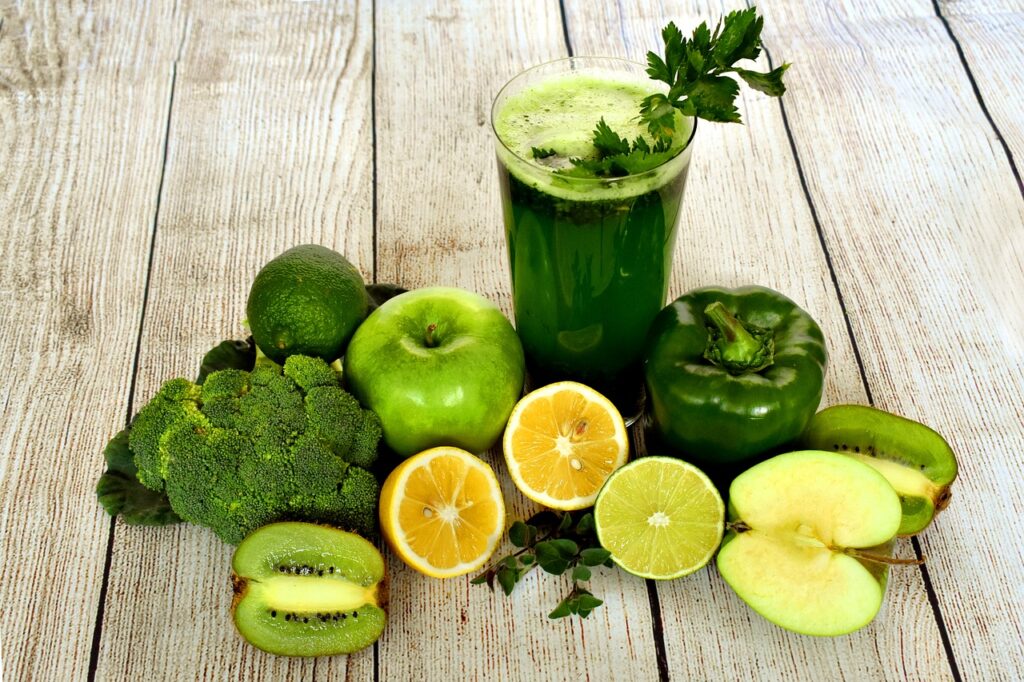
- In parallel, it is wise to implement a vitalization. This involves eating only fruits and/or drinking vegetable juices. A vitalization thus includes fruit cleanses, mono-diets, and vegetable juice cleanses. It can be implemented over a meal, a day, a week, or even a month.
- Finally, it is preferable to live in a healthy environment, spend time outdoors (without sunglasses or sunscreen), and consume quality foods.
4) Provide supplementary help
If the previous tools are insufficient, if the body can no longer perform its cleaning work (weakened emunctories, insufficient drainage, low vitality but not too low, etc.), or if one wishes to accelerate the detoxification process, it can be boosted by various tools:
- The number 1 tool is fasting. This can be complemented by purges, which are great accelerators of detox because they work by emptying the lymphatic (or biliary) system. Read this article on the benefits of purges to learn more.
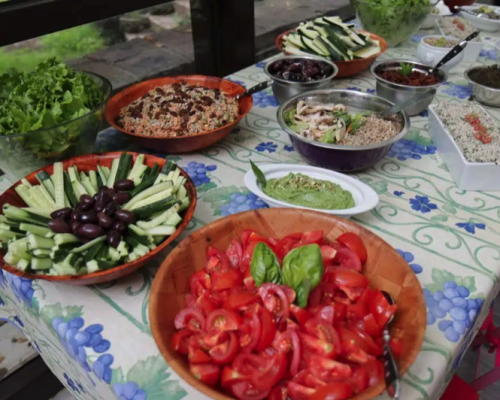
- The number 2 tool is plant-based and living nutrition because all raw fruits and vegetables have therapeutic properties, either because they stimulate elimination, support the liver, promote the chelation of heavy metals, or improve transit. However, to fully benefit from their advantages, it is preferable to mix them as little as possible. To learn more about instinctive nutrition, read this article.
- In parallel with fasting or living nutrition, the body can be supported in its processes by plants (phytotherapy) in various forms: herbal teas, essential oils, hydrosols, spagyrics, etc. More or less, all plants share the following 5 properties: emunctory (promote the work of the emunctories); revitalizing; anti-putrefactive; anti-infectious (without altering the intestinal flora) and regenerative.
- Enemas (with or without plants) or, better yet, colonic irrigations, are used to clean the colon of stagnant matter in putrefaction or fermentation that is responsible for the self-intoxication of the organism.
- The internal clay cure allows for the elimination of certain pollutants such as heavy metals, drug residues, bacterial toxins, and agricultural inputs.