Introduction
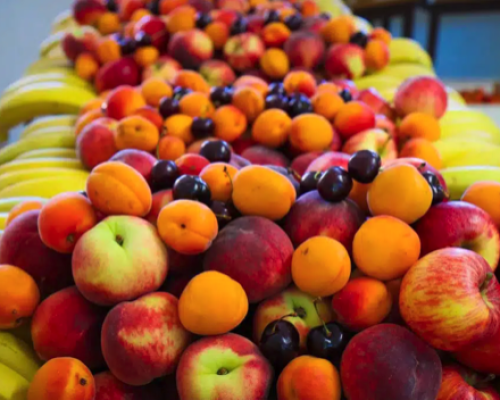
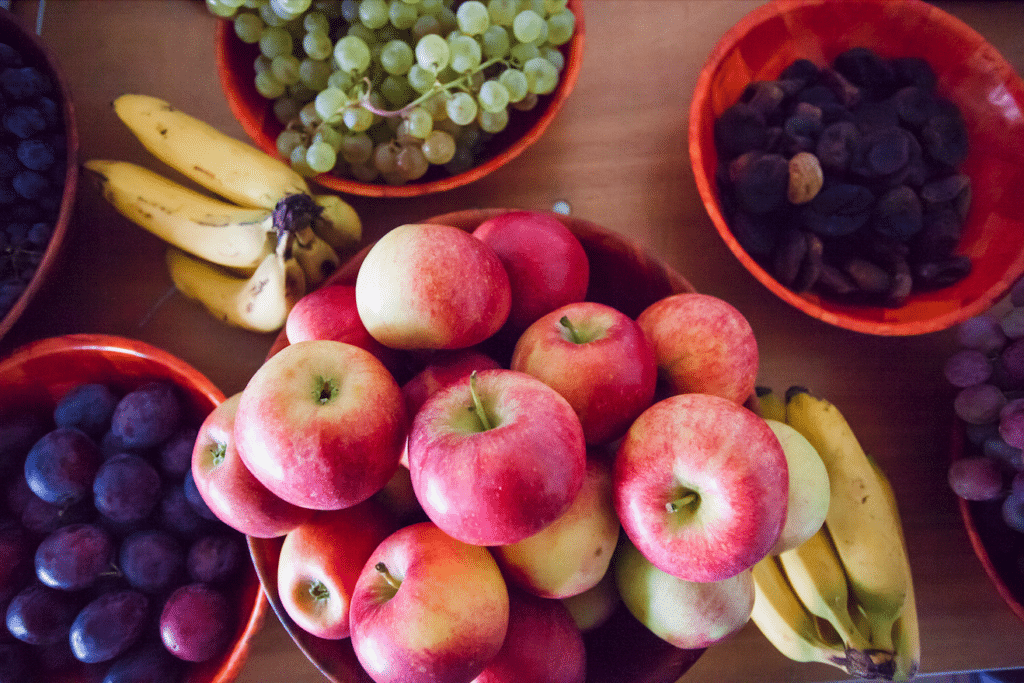
In France in the 1980s, Guy Claude Burger, known as the father of instinctotherapy, promoted a dietary approach based on the olfaction of raw foods. According to his theory, based on experimentation and careful observation of nature, our body, through olfaction, knows how to recognize the foods it needs, provided they are raw and natural. Furthermore, these foods that we find pleasant to smell, if eaten alone (that is, without mixing with other foods, or even spices to avoid misleading the taste buds about the content of the food) and by letting oneself be guided by instinct regarding quantities, best fulfill our deficiencies, optimize digestion, and additionally, allow us to fully benefit from their therapeutic properties.
The logic
It consists of observing nature and considering it as a model to follow. According to this approach, the food that is best suited for us is that which can be obtained in our preferred environment (that is, where we can live all year round without air conditioning or heating) with the help of our own hands (made of bones called metacarpals, which, in Greek, mean ‘behind the fruit’). This picked food is then smelled, and possibly tasted. If the sensation is good, then this food will be consumed until no longer hungry. This is how all animals function. As we are diurnal animals, all food will be consumed exclusively during the day.
Faced with raw plants, our instinct is always right
During the consumption of one and only one raw food, one can observe that it changes in taste (a mechanism called alliesthesia) as one consumes it until a sensory stop manifests itself through a change in the taste of the food that no longer makes one want to return to it. This is nothing mysterious; the taste and appeal we feel towards a food is merely our body’s response to indicate whether it needs it or not. Our mind, unless it has read a study on the subject, does not know what is in a food; however, our body, through our countless olfactory sensors located in our nose but also in the liver, stomach, and kidneys, is able to precisely analyze the content of an isolated food.
If the body needs it, it will make us love it in terms of taste, and when we digest it, the intestinal microbiota will, in response, produce serotonin (nicknamed the happiness hormone). A mechanism that can be interpreted as a reward to encourage us to follow our desires, which are merely reflections of our needs. Conversely, if the food is not good for us, we will find it tasteless or bad, and we will not want to eat it. It follows that by maximizing our pleasure, we will maximize our health.
Unfortunately, if the food has been cooled, heated, or even simply dehydrated, then our instinct will be slightly misled and the instinctive stop less reliable. Ideally, all food consumed should be at room temperature and in season. And if the food is mixed, or worse, cooked, our finely tuned instinct, with its thousands of receptors spread throughout the body, will not be able to inform us clearly (even less so if the cooking temperature is high) about this, and it will be more difficult to listen to our needs.
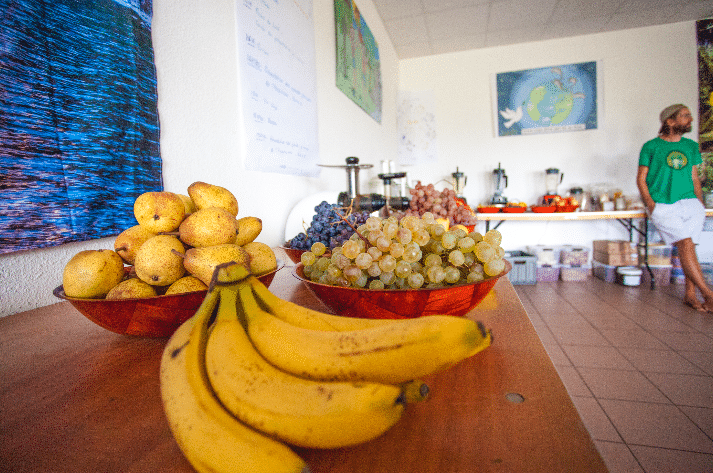
The harms of cooked foods
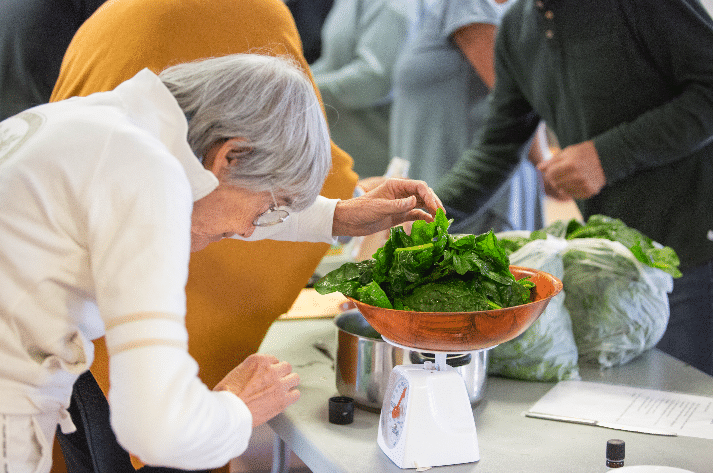
Above 42°C, cooking prevents our sense of olfaction from functioning properly because chemical reactions induced by the rise in temperature strongly alter the chemical nature of foods, and this is even more pronounced at higher temperatures. At the same time, the enzymes necessary for the proper assimilation of micronutrients are destroyed (as soon as the temperature exceeds 42°C) and force the body to draw on its own reserves (which incurs an energy cost) to provide digestive enzymes that are naturally present in foods when they are not heated. This destruction of enzymes by heat decreases the body’s ability to assimilate micronutrients, not to mention that they are fewer in number.
If the food turns out to be less nourishing when cooked than raw (except from a caloric standpoint), it can even become potentially toxic because certain indigestible molecules (called colloidal waste) or even toxic molecules (Maillard molecules, to name just one) arise from the chemical reactions related to cooking temperature (the higher the temperature, the more toxic the compounds created). Finally, since ingesting a dead food (because it is cooked) prevents the body’s recognition system from identifying what has been introduced, a digestive leukocytosis (massive influx of white blood cells that rises from about 6000 leukocytes under normal conditions to 10,000 for steamed cooking and even 20,000 for less physiological food) occurs unnecessarily and fatigues the immune system.
To conclude the list of disadvantages of cooking food, know that the pollutants contained in fruits & vegetables penetrate much more into the blood when they are cooked (because the hydrophobic nature of pesticides gives them the property of sticking to insoluble fibers during digestion and being excreted with the stools) and that we deprive ourselves of the life energy contained in the food.
In short, to be fully alive, it is preferable to eat living food!…
The transition from cooked to raw
Between the raw of instinctotherapists and the cooked from standard gastronomy, there are several worlds:
- Seignalet nutrition, close to what is also called Mediterranean or Okinawa nutrition. A diet that has proven itself in the blue zones but which today shows its limits in terms of therapeutic results for sedentary Westerners accustomed to vaccination & medication, as well as industrial food & pollution. If society had not modernized and we lived as we did in the past, we would all eat more or less this way and we would generally be well.
- Culinary raw nutrition, as its name indicates, everything is raw but we create food combinations that are unlikely in nature but pleasant to the taste. Well in the transition phase to raw, raw cuisine eventually (if not simplified and reduced in fat) becomes too heavy to digest.
- The collector, which resembles what could be called physiological raw cuisine. We use few different foods and avoid mixing them. And when we do, they are associations from the same family (see this article on food combinations) or that digest well.
- The gatherer, it is the most natural diet there is. It consists of several intakes per day of single foods.
- We could add a final category where the diet is reduced in fat and calories to gradually lead towards pranism.
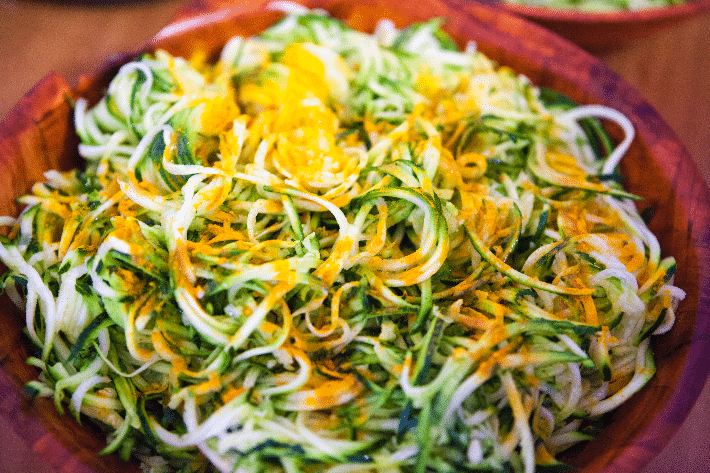
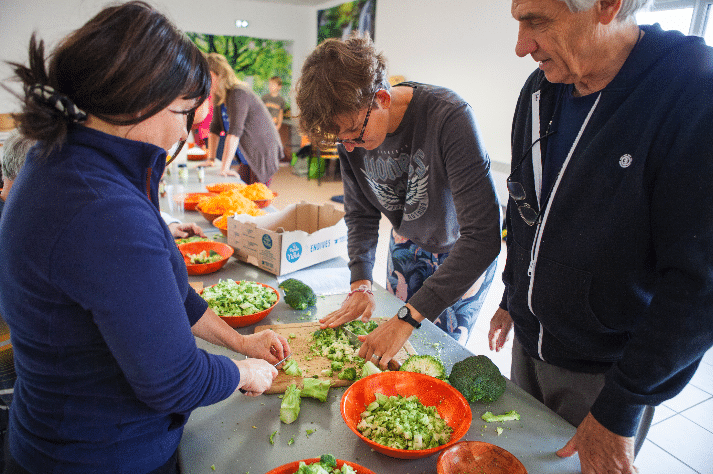
The disadvantages of implementing this model
- The principles of sensory nutrition are only valid in the context where one tests their olfactory system with natural foods (no GMOs, or selected foods like those from INRA) organic and of the highest quality. The same applies to animal products; these should not come from genetically selected farms and fed with non-physiological food (like chickens fed wheat or cattle fed grains). Without this prior selection of quality products, our olfactory system can mislead us, and the food will not fully satisfy us with pleasure or all its benefits.
- One must have several categories of foods at home and test them daily to see where our current desires lie, so much so that we end up with certain quantities of foods that we will not eat.
- Unless living in the south, this mode of eating can be costly and difficult to implement. Personally, I would dream of eating only persimmons for several days, but those I find in stores are not ripe enough or in sufficient quantities.
The limits of this model
- Smells are processed directly by the area of the brain involved in emotions and memory, which is why they do not exist in themselves. What we perceive from them depends on our DNA but also on our history. Our sense of smell thus has the ability to immediately revive a past memory or emotion (the ‘madeleine de Proust’ effect). For these reasons, our instinctive response to a smell (pleasant or not) is not necessarily a reflection of our physiological needs.
- The sensory stop was logically only intended for foods accessible to our hands and abundant like fruits and vegetables, but not for meat and other animal products. Therefore, one cannot fully listen to their desires with animal products, and they must be restrained (if one has such desires) because the instinctive stop comes too late. Personally, I remember that before my dietary transition in 2014, I consumed half a liter of raw whole cow’s milk per day. I loved it, and yet milk is one of the foods that made me the sickest at that time (allergies, sciatica, colds, and cysts).
One can therefore question the relevance of testing olfactorily products that one cannot procure (without using technology) in nature. Furthermore, even if animals use their instinct to choose foods, they primarily eat the edible foods available. - There is no mention of the elimination crises (detox) that will occur sooner or later with this type of diet, nor how to overcome them other than through fasting or mono-diets.
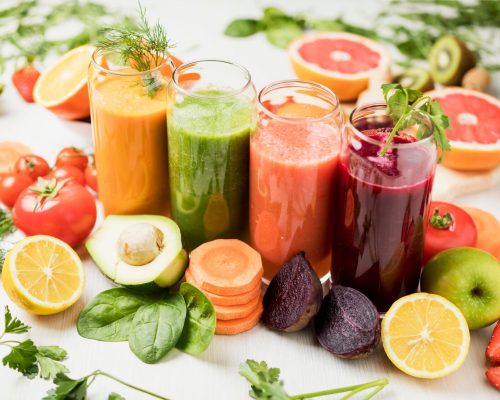
- There is also no mention of solutions to detox from industrial food, which is addictive. • Certain food synergies (carrot-spinach juice, Breuss juice, etc.) or plants are perfectly digestible and provide a very beneficial complementary composition to the body without it being found as such in nature. Moreover, making some simple and physiological combinations of foods makes it easier to consume certain categories like herbs that have many virtues.
Living Nutrition VS Sensory Nutrition
Both approaches consider that we are originally made to consume only raw foods and that this is the ideal diet to maximize both our pleasure and our health. The major difficulty of these two approaches lies in the necessity to relearn to listen to one’s physical sensations and to retrain one’s instinct. This is not easy for two main reasons:
- Refined sugar, salt, and fat are drugs (even organic jam if it contains refined sugar, white or brown) that completely disorient our senses.
- Habits of eating at fixed times, finishing one’s plate, talking while eating, eating cooked and mixed (for the reasons mentioned earlier), listening to dietitian advice rather than listening to one’s feelings, etc.
That said, there are significant divergences between the two approaches, particularly regarding the mixing of foods. My personal opinion is that the human body is capable of great adaptability, and as long as we eat raw foods from the plant kingdom, even if mixed, blended, a bit cold or hot, and out of season, the body will know how to take advantage of this food and gradually lead us towards increasingly raw, fresh, seasonal, and unmixed foods, without needing to introduce discipline, just by listening to one’s pleasure. This gradually takes place over the years, as soon as we predominantly eat plant-based and raw and regularly use naturopathic detox techniques (see this article on cleanses). It is then that living nutrition and sensory nutrition converge, except on one point: animal products.
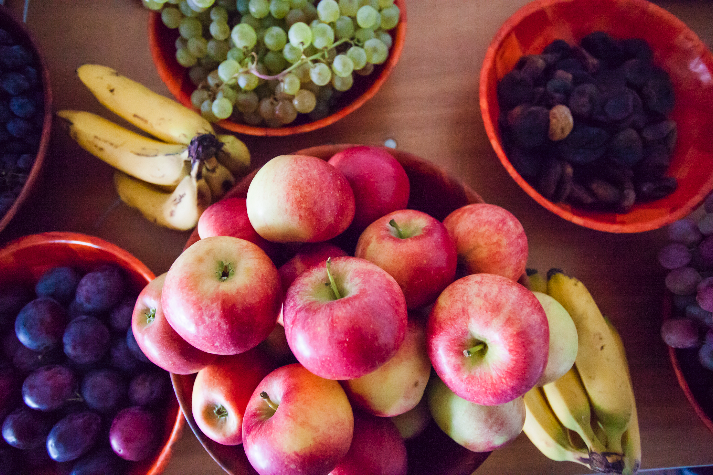
The different viewpoints
Viewpoints of Living Nutrition | Viewpoints of Sensory Nutrition |
Animal products are considered survival food that is neither necessary nor optimal (as a source of acidity) for human physiology. | Animal products are considered necessary (to the extent of a few % of the caloric intake) for our proper functioning. |
We consume raw fruits, vegetables, seaweeds, and mushrooms, including first cold-pressed oils, lacto-fermented vegetables, and sprouted seeds. No animal products except honey (which is not an animal product). | We eat everything that is raw as in living nutrition, as well as game, eggs, seafood, shellfish, and fish. |
Foods are classified into 4 categories: biogenic (which generates life), bioactive (which maintains life), biostatic (which slows life), and biocidal (which destroys life). | Foods are classified into 5 categories: permanent (vegetables), short seasonal (fresh fruits), long seasonal (oilseeds), random sweet (dried fruits), and random protein (meats, fish, etc.). |
The categories of foods described above are consumed fresh or dehydrated, cold, at room temperature, or even hot (but below 42°C). Seasonality is preferred but not strictly followed. | The categories of foods described above are consumed only fresh, at room temperature, and in season. |
We eat fruits before meals and avoid certain food combinations but the mixing of foods and transformation by blending, extraction, or dehydration are used. | Wait two hours between each intake of food, 4 to 6 intakes of food categories per day. |
Our basic diet is fruit, and it is advised to eat as much as desired. | Reluctance to consume large quantities of fruit because it is associated with a potential risk of strong detoxification. |
Elimination crises are seen as necessary. They may be slowed down (if they are too strong) with raw food or helped to pass with detox techniques. | Elimination crises are perceived as an unbalanced state that will restore itself with the consumption of the food we need (hence the term instinctotherapy to qualify sensory nutrition). |
To prevent crises or help them pass when they occur, we use naturopathic detox techniques, including a whole range of purges to cleanse the lymph of the toxins that clog it. They greatly help to overcome addictions to industrial food & cooked food, as well as to purify & deeply regenerate the terrain. | We use cassia fistula in cases of minor detox. It is a mild laxative and not a purge (as it does not cleanse the lymph). |
One of the mechanisms of addiction
As much as our instinct is always right regarding plant-based and living nutrition, it works in reverse with cooked or industrial food, so that we find ourselves attracted to the “food” that poisons us the most, like a drug.
Before starting a dietary transition, the body, accustomed to a constant intake of toxins, has taken the habit of storing some in fats, tissues, and certain organic liquids to make them as harmless as possible. But when you stop consuming a substance that intoxicates (regardless of the degree), your body naturally tries to expel it. First, it is released from the cells, liquids, or tissues where it was located to be reintroduced into the circulating lymph (this is its cleaning job, like a sewer system) to be evacuated by the emunctories. It is during this phase, when the undesirable substance circulates in large numbers in the lymph, that one may feel a strong urge to consume the “food” that caused this substance.
It accumulates even more in the lymph when the emunctories are dysfunctional (mainly due to acids and glues that obstruct them) and it cannot exit the body quickly enough. When one feels the urge to consume non-physiological food for the body, it simply means that the digestion residues of said food have accumulated in too great a number in the circulating lymph and are disrupting the overall functioning of the organism (which is easy to understand when one realizes that the circulating lymph passes through all organs, including the brain and emotional regulation organs). Conversely, if one gives in to this urge, then, through an osmotic mechanism, the disturbing substance is stored again (one goes from detox to intox) and a feeling of calm (due to the cleaning of the circulating lymph via storage) appears before being followed by an unpleasant sensation related to the non-physiological nature of what has been ingested.
This is not the subject of this article, but the other mechanisms at work in an addiction (especially food-related) contribute to masking suffering and reflect a thought pattern in the way one views oneself or the world that one cannot change.
What about the consumption of animal products
If this excess substance happens to be acids, then I hypothesize that one may feel attracted to animal products not for physiological reasons but to soothe acid detox. For this reason, it is possible that the consumption of animal products is there to slow down detox (which fruits accelerate) but also to serve as stimulants (via the stress hormones (catecholamines) contained in animal flesh related to the living conditions or slaughter of the animals) to compensate for insufficient vitality. Not everyone will respond to acid detox with cravings for animal products, but this difference may be related to the nature of the acids expelled, the psycho-emotional profile of the person, or even their beliefs. I see the consumption of animal products more as a response, in some cases, to a need to maintain a stable energy structure than as a physiological need.
The question of whether or not to consume meat or animal products is a very sensitive topic because it touches on our origins and our deepest beliefs. That is why the arguments for or against meat (like those in the shocking film “The Game Changer”, also read this article on proteins and vitamin B12) are not decisive since it is primarily a matter of personal choice. That said, the consumption of animal products has certain disadvantages that I still find it wise to mention.
What I have observed repeatedly in my surroundings is that some people, even if they consider (for example) that eating meat twice a week may be sufficient to meet their needs for animal proteins, actually consume larger quantities with the harmful consequences this entails in terms of acidification (production of lactic, uric, and pyruvic acids). This can be explained by the fact that instinctive stopping is not reliable (see above in the text) for animal products, and therefore one cannot fully listen to their cravings (for fear of consuming too much). It seems that for some people, the consumption of meat responds to the addiction mechanism described earlier.
What has been written about meat also applies to fish. As for eggs, my analysis is that they respond to a need for fats that can easily be met otherwise, with avocados or good oils like flax, rapeseed, olive, sesame, etc.
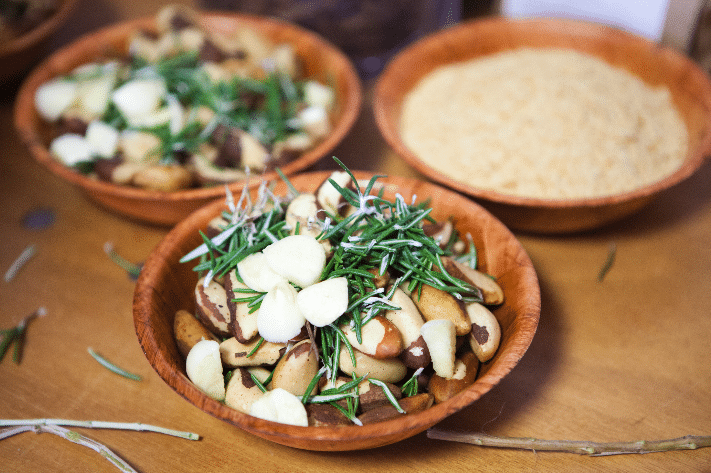
Regarding the attraction to dried or fermented animal products, such as aged meat or cheeses, it can be explained by their taste classified as “umami” (a Japanese word meaning “savory”) which is the fifth fundamental taste (after sweet, salty, sour, and bitter). If this taste (which is also found in soy sauce, certain mushrooms, and tomatoes) is highly appreciated, it is mainly due to the presence of glutamate (a flavor enhancer and potentially an excitatory neurotransmitter of the nervous system) which is made bioavailable through fermentation. One can easily convince oneself that it is primarily the umami flavor that attracts us to certain fermented foods by testing the frawmages made from oilseeds (cashews, almonds, or sunflower seeds most often) that have exactly the same taste as conventional dairy-based cheeses.
A possible olfactory appetite for dried or fermented animal products can therefore be explained by the significant development of bacteria, yeasts & molds that are appreciated by our microbiota and that make the food more nourishing (see this article on lactofermentation).
Finally, let us recall if necessary that:
- we have a digestive system of a frugivore and our intestines are too long, our stomach secretions not acidic enough, and our kidneys not powerful enough to properly digest meat or fish like a carnivore or omnivore. For these reasons, animal products should only be consumed (if one still consumes them) in very small quantities (less than 5% of caloric intake).
- putrefaction in the colon occurs with the consumption of animal proteins (imagine a piece of meat or an egg that remains at 37°C for 24 to 72 hours), which leads to ammonia levels in the colon being 4 to 5 times higher with meat consumption.
- according to the conclusions of the Campbell study: the less animal protein one eats, the better one feels. Furthermore, the number of colon cancers increases proportionally to meat consumption.
- a digestive hyperleukocytosis occurs with the consumption of meat (even raw) as when consuming cooked foods. This reinforces my idea that the consumption of meat could serve to slow down the detox caused by raw plant food.
- millions of people live in the world without consuming animal products.
- the consumption of animal proteins, with 8 billion inhabitants, is causing a mass extinction (see this article on the impact of veganism on the environment)
Conclusion
Who to believe among all these influences, these discourses, and the personalities who talk about nutrition? It’s simple: it is up to you to form your own opinion and find your truth. And it is by its results that you will recognize it! For this, it is, in my opinion, necessary to use common sense, to inform yourself meticulously, to think a little, and to be inspired by individuals who radiate health. All while keeping in mind that everyone, in their discourse, has their limits. Life therefore asks us to learn to sort things out ourselves and to adapt to circumstances, to our terrain & constitution, and also to our motivations.
That said, this story of the necessity or not of animal proteins is, in my opinion, crucial from an energetic and symbolic point of view. It’s as if we have arrived at a time in history where we are questioning the star that indicates the North.
Defining what the best diet is for humans, at least on a biological level, is, in my opinion, akin to defining which star in the sky indicates the North. Agreeing on this reference does not mean that we will go to the North Pole; it is simply a help to orient ourselves on a map when we feel lost. Hence the importance of carefully choosing the star that will guide us, and this involves readjusting our beliefs since they create our reality (see this article on the law of attraction).
What I find amusing in this metaphor is that throughout the ages, due to a phenomenon called the precession of the equinoxes, the star that indicates the North is not always the same. A small additional sign that makes me say that with the ongoing change of civilization (see this article “Are we ready to change?”) it is time to reevaluate our beliefs to adjust them to the current era and find a new balance & a new harmony.
Further reading
- Instinctive Eating Instinctive Eating, by Guy-Claude Burger
- Instinctotherapy: Instinctive Raw Paleolithic Nutrition complete ebook, by Guy-Claude Burger