I noticed that the people most prone to suffering from chronic fatigue are primarily those who have the least physical activity. For the simple reason that physical activity, through breathing, provides energy to the body that exceeds what is lost from a caloric standpoint. Unless one exceeds the measure (a measure that shifts anyway), the more one works physically (through their job or through sports), the fitter one becomes.
A good fatigue
The physical fatigue that comes after exertion is beneficial for the body: tensions dissipate and the brain more easily enters a state of full awareness. Moreover, to build and maintain the good health of our earthly vehicle (the cardiovascular system, the skeleton, our muscles and tendons, as well as the functioning of our organs), we need regular physical activity. This can be an endurance or strength sport, a gentle activity like yoga or qigong, etc. Additionally, all these movements will promote the blood and lymphatic circulation of the body to allow for better overall health and greater well-being.
Finally, fatigue is information and not a state to be fought against. Fatigue after a well-filled day provides a sensation that is both gentle and pleasant when welcomed. It is what contributes to restorative sleep. On the other hand, there is a problem when it is overexpressed, especially if it is present upon waking. If that is the case, you need to regenerate (for example, through fasting, a juice cleanse, or sleep) or engage in a physical activity that recharges your energy. The two are not incompatible.
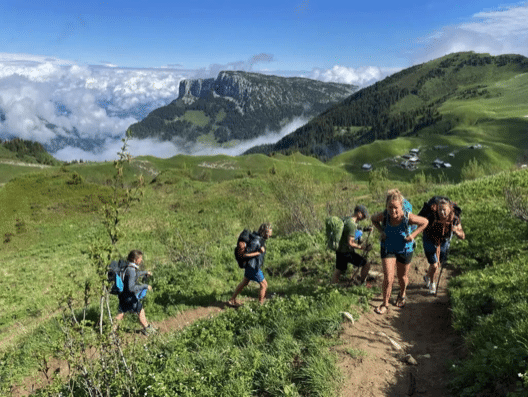
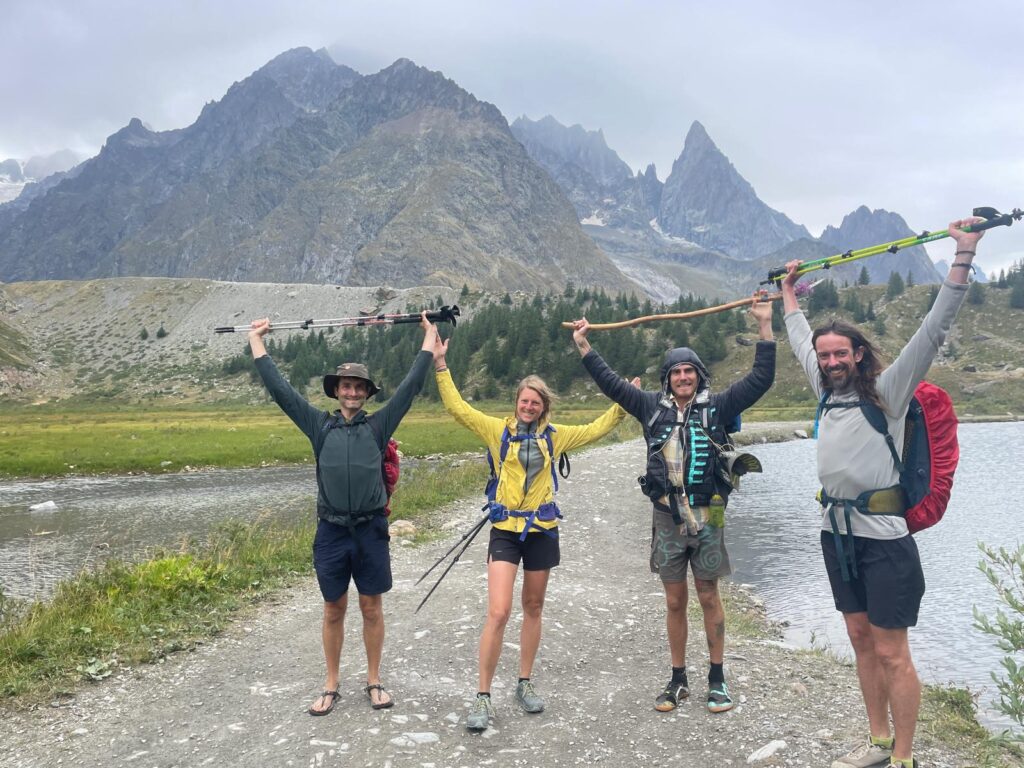
The benefits of combining strength, endurance, and flexibility
It is necessary to work together on exercises that combine strength, endurance, and flexibility in order to develop a harmonious body and achieve maximum performance.
Endurance sports, such as running, are the best means to strengthen the cardiovascular system, improve blood circulation, and build the necessary foundations for all other sports activities.
Strength training will develop muscle mass and allow our body to burn its fat reserves more efficiently. That is why a combination of strength training sessions and endurance sports is the best way to achieve maximum results and boost performance.
By varying strength and endurance training, the body will not develop a phenomenon of habituation. This will allow you to constantly improve your athletic level.
In addition, to avoid injuries and promote relaxation of the body, it is wise to develop flexibility through stretching or practicing yoga.
How often to practice?
Regular practice of sports brings a lot of satisfaction. It’s physiological: endorphins or the happiness hormone secreted by the brain during physical activity provide a sense of well-being, which is not negligible. This is what gives the motivation to return!
Example of a weekly routine:
- 3 to 5 sessions of 20 to 30 minutes of HIIT,
- 1 session of yoga/stretching every day (even if it lasts only 10 minutes),
- 1 hour of outdoor endurance sports per day,
- Bodyweight exercises every day.
One can use a training journal to note what has been done each day and thus stay motivated!
The ideal is to do your own research on YouTube (or any other medium) to create a customized program that suits us.
The principle is to become autonomous in creating the weekly training routine that suits us and that we will maintain in the long term.


The necessity of movement in the development of the nervous system
Since childhood, the variety of our movements, very varied and frequent in children, is necessary, among other things, for the proper development of the skeleton and the nervous system. In adulthood, our mind as well as our body tend to become rigid in habits. Recreating time to let the body move and express itself through intuitive or archetypal movements allows us to restore mobility to our body and break free from certain emotional or mental dead ends.
What to take away from all this is that the proper development of our nervous system and our 3 brains (primitive brain, limbic brain, and neocortex) depends on the body movements performed during childhood and, later, in adulthood, for its proper maintenance. It is the nervous system that commands movements and, in return, movements ensure the deployment and proper wiring of the nervous system. That is why a child whose movements are hindered (with shoes, toys, etc.) may not develop their brain optimally, resulting in delays in neuromotor development.
Archetypal movements
What is it?
Dr. Temple Fay, an American neurosurgeon, was the first to observe the impact of initial movements of the body, practiced by all newborns, on the awakening and organization of the central nervous system, immature at birth.
There are 12 archetypal movements, 5 joint mobility movements in place, and 7 movements used to move the body in space, before reaching bipedal walking. These coordinated movements form the evolutionary foundations of human motor skills.
Benefits at all ages of archetypal movements:
- Hones the joints and traces the axes that connect them.
- Builds the control system of movements that prepare for walking.
- Awakens the organs and the 5 senses, connecting, through the meridians, parts of the body that are unaware of each other.
- Allows the brain to draw the body schema.
- Stimulates brain maturation by connecting numerous neurons.
- Refines proprioception, that is to say, the ability to feel one’s body.