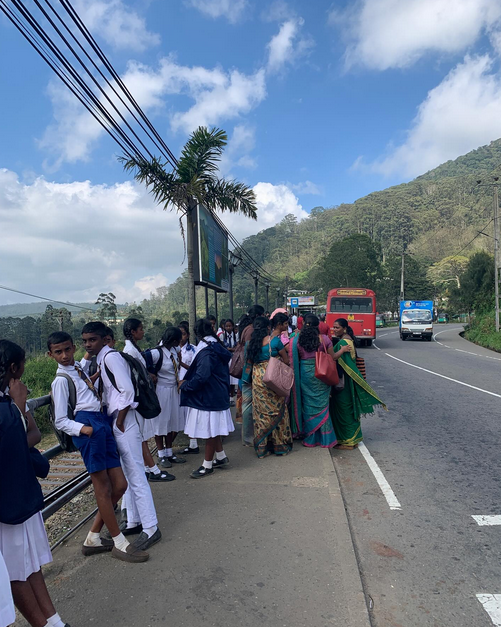
Sri Lanka is more open to tourism than India, which leads to more evolving customs. For example, on the beaches, swimsuits do not attract attention, whereas they are an exception on the Indian side where people swim fully clothed. There is also less poverty; you won’t find slums here, and few sleep on the sidewalk amidst the loud chaos. Western visitors have not only brought benefits; drug use (alcohol, tobacco, and others) has also increased. However, there is a constant between the two countries: they all have at least three questions on their lips when they approach a foreigner: Where are you from? How long have you been here? What do you think of our country?
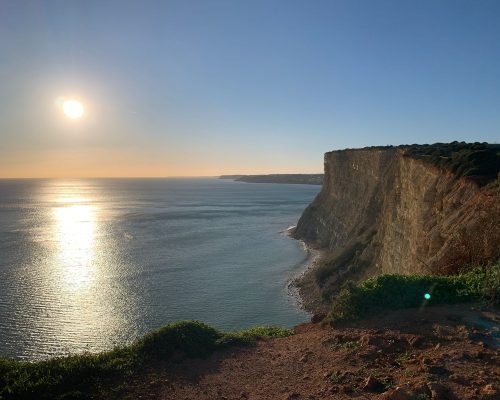
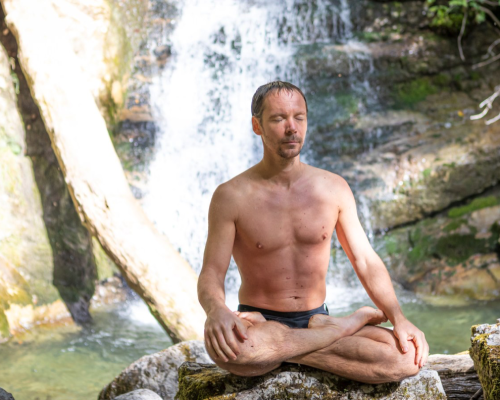
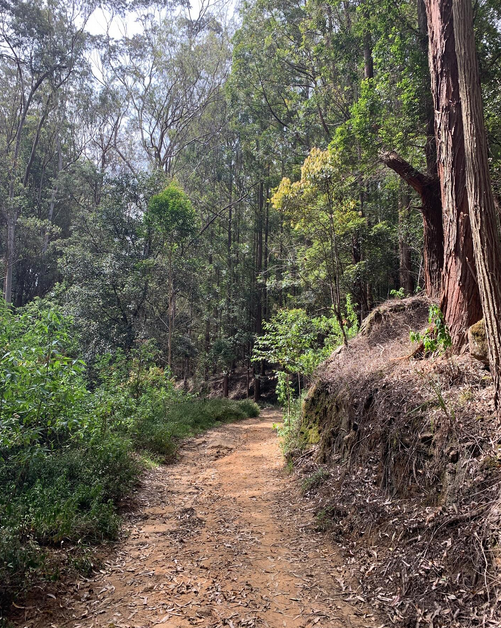
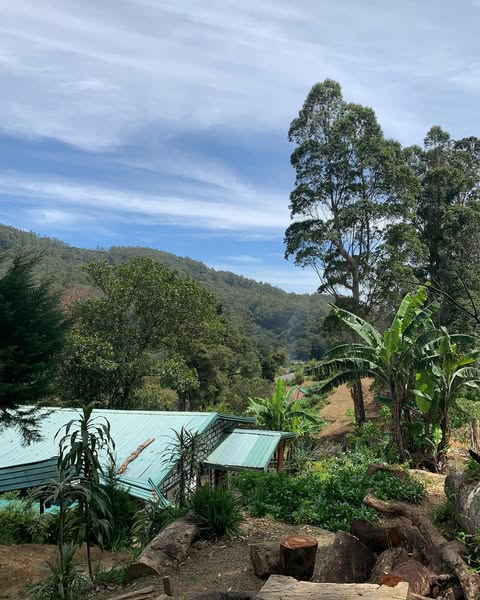
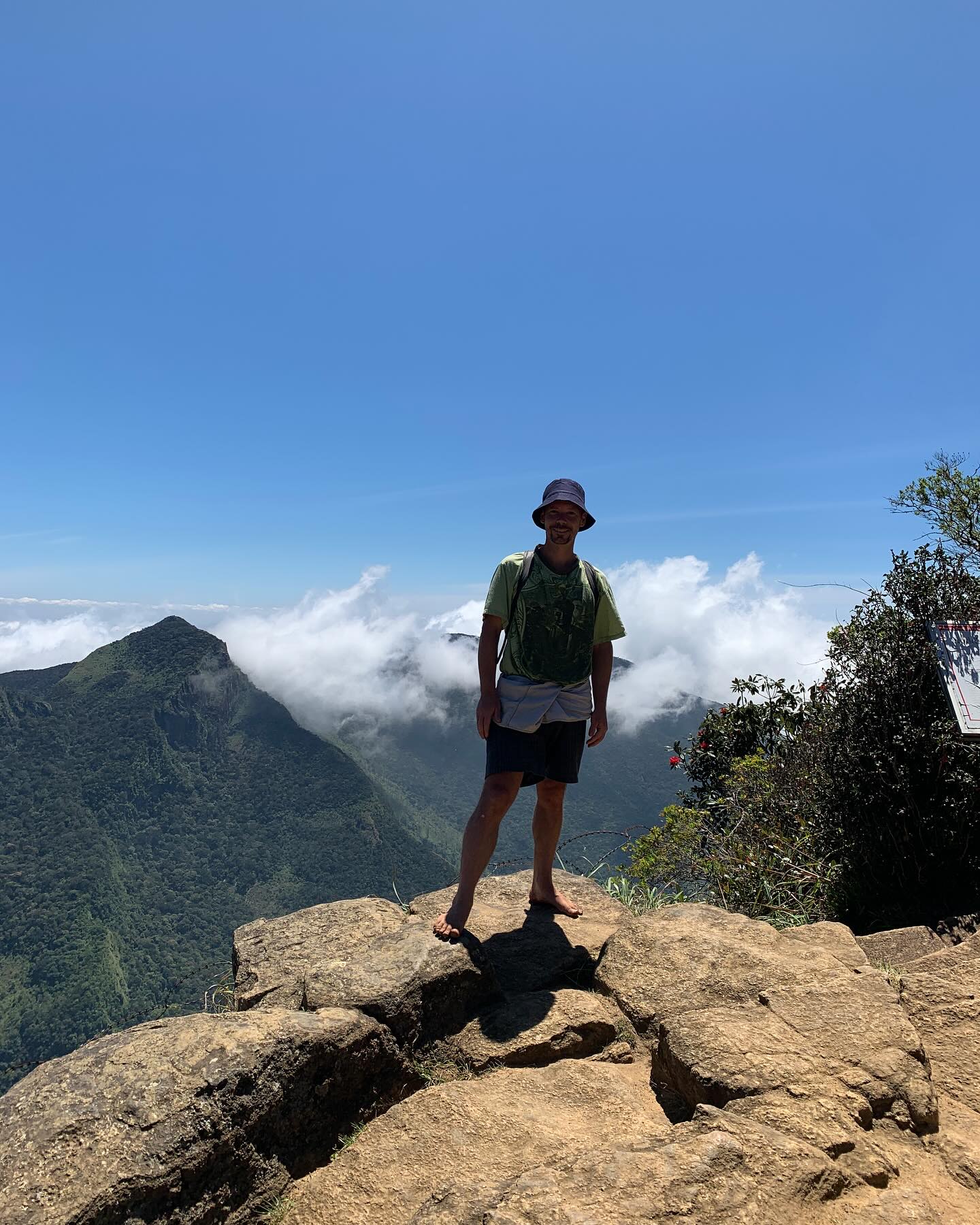
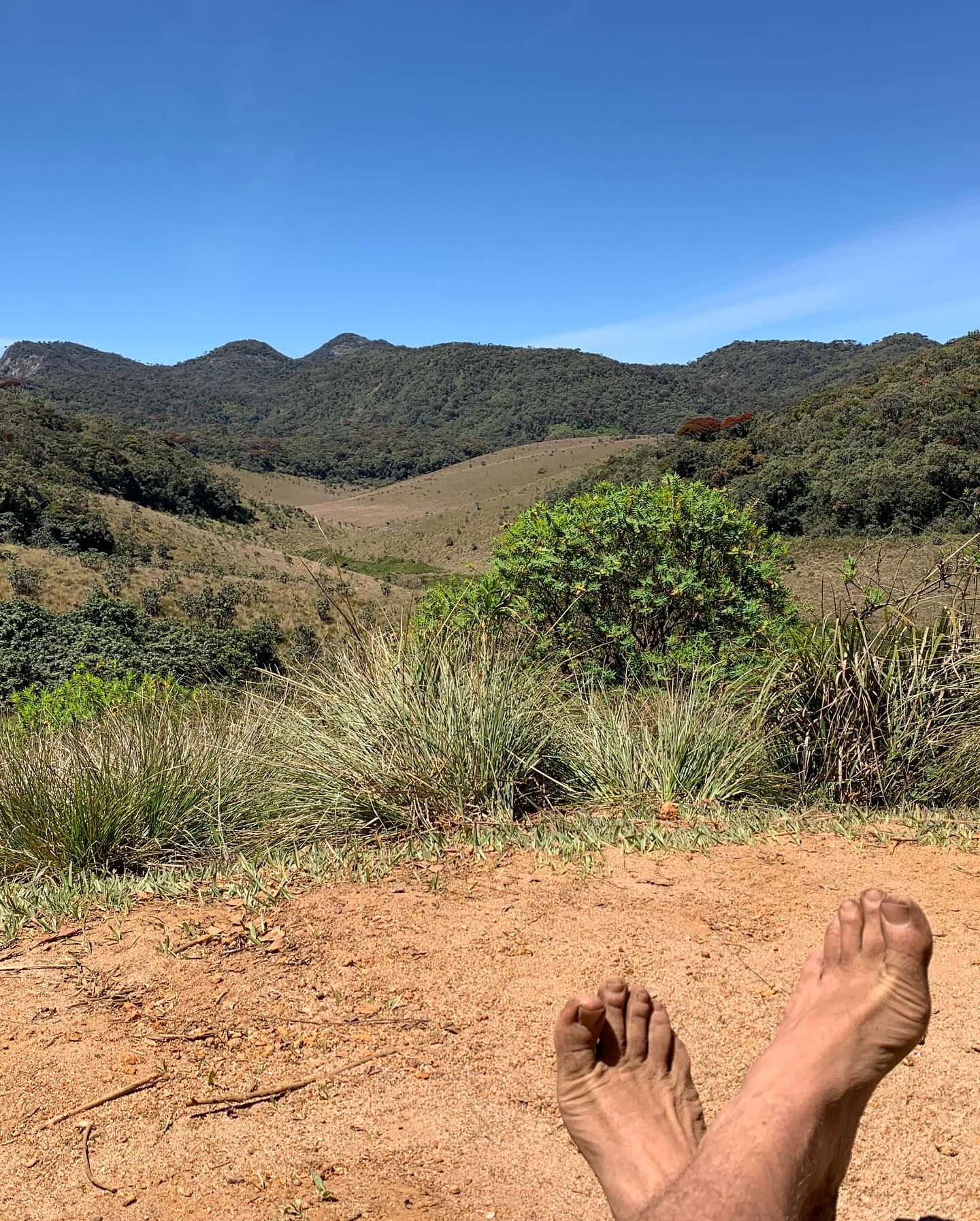
I spent sweet moments alone between Bentota and Tangalle, where some Sri Lankans joined me at dawn on the beach to share my morning routine facing the sun and the ocean. However, I felt the call of the mountain located in the center of the island. So, after 7 hours by bus and 2 hours by train, I arrived near Horton Plains, a nature reserve that houses the highest peaks (about 2000m) of the island. A place I chose for its isolation to fast for 3 days with walks in the jungle.
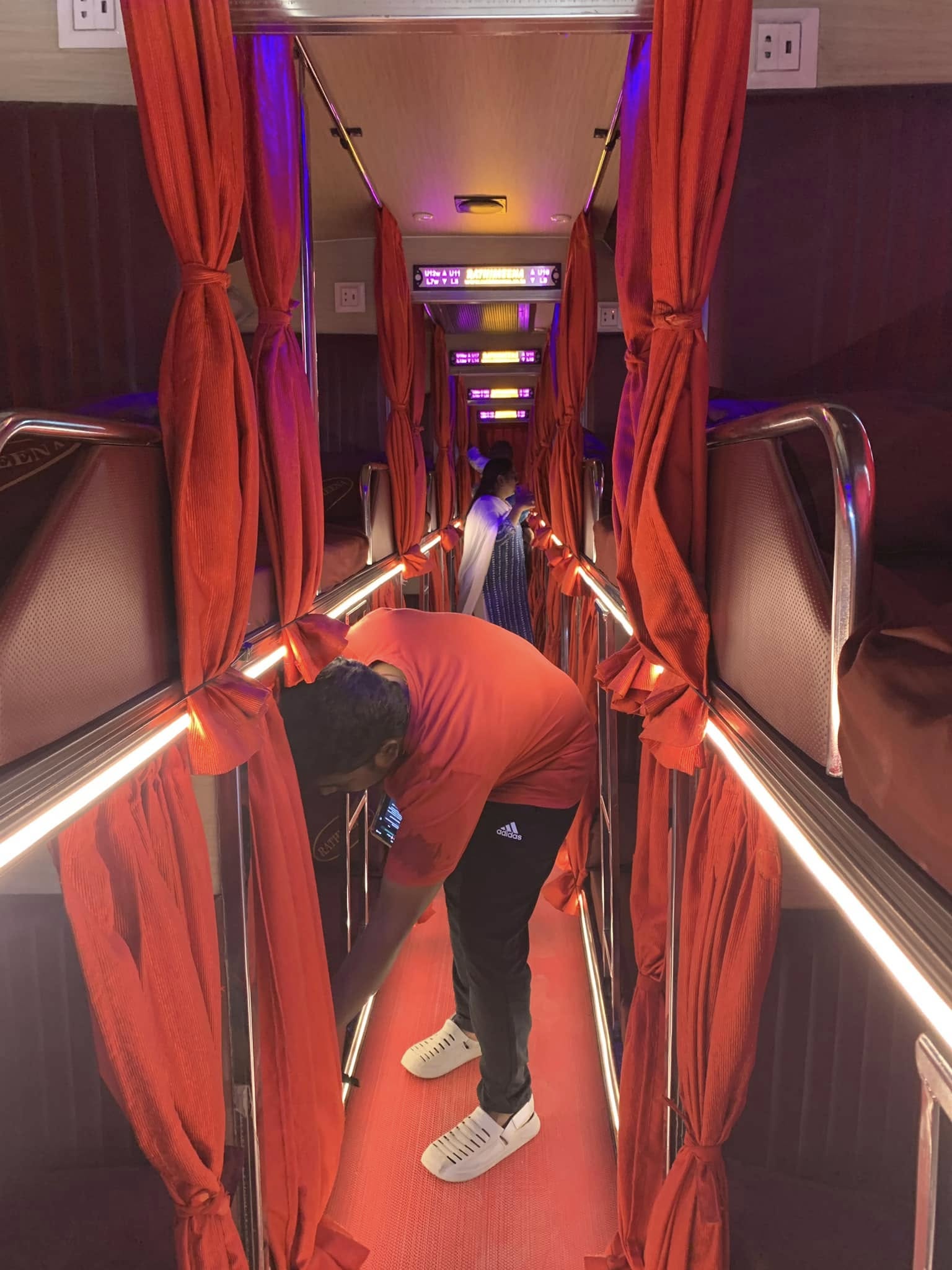
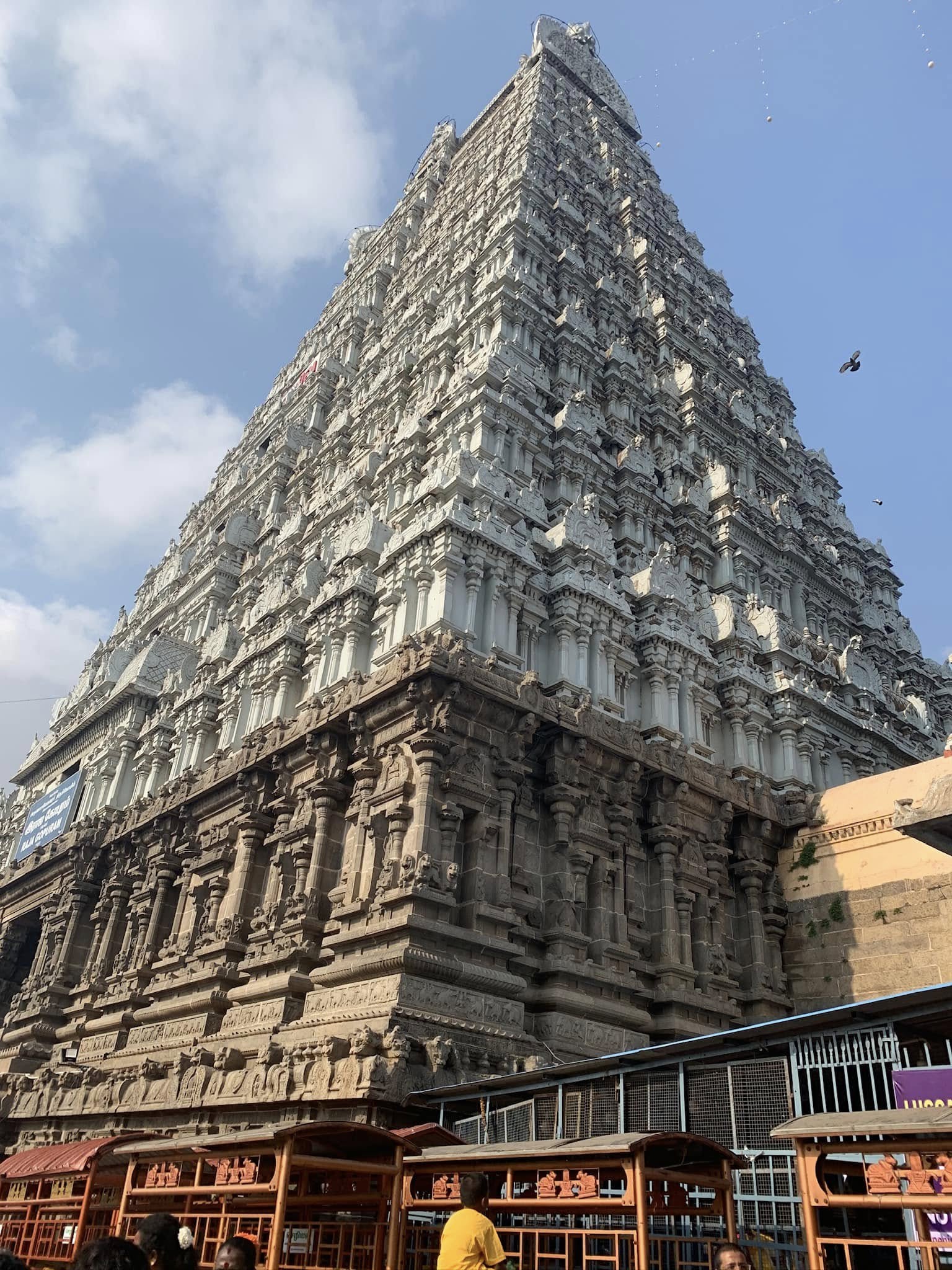
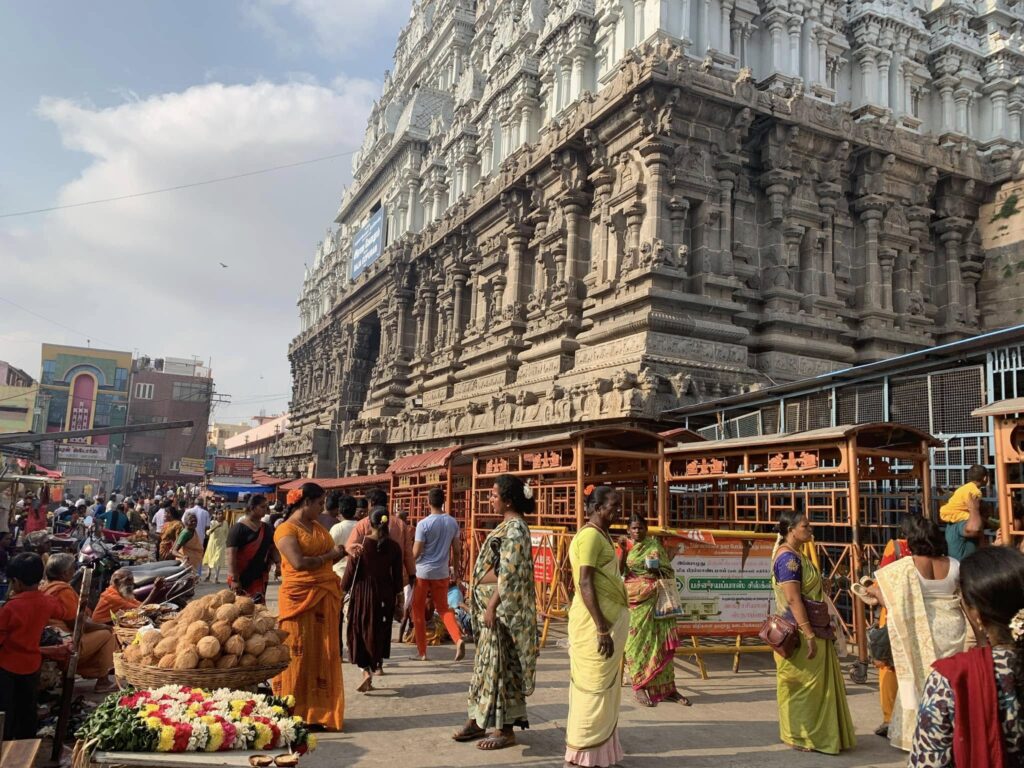
A small routine fast where I experienced a strong emotional detox triggered by the undue amount I paid at the park entrance. For various reasons, this brought up all the frustrations, fears, and angers related to my professional activity. In fact, at that moment, caught in the emotional storm, I wanted to stop everything. I thought I had made peace with these feelings, whereas in reality, I had repressed them. This is where the teachings of Vipassana were helpful in revealing the desires and aversions acting at the source of my torments. This detox allowed me to return to healthy foundations: following one’s life impulses is already a lot, and it is important, to live happily and in peace, to trust in creative intelligence and to have no expectations in this evolutionary process we call life…Back in India, I took a sleeper bus to Tiruvannamalai, a major pilgrimage site known for its temples and ashrams dominated by the 800m Mount Arunachala. Daily, thousands of pilgrims, often with shaved heads, walk barefoot the 14 km that circle this sacred mountain. You meet many small vendors and hundreds of saffron-clad sadhus who beg, sometimes insistently.
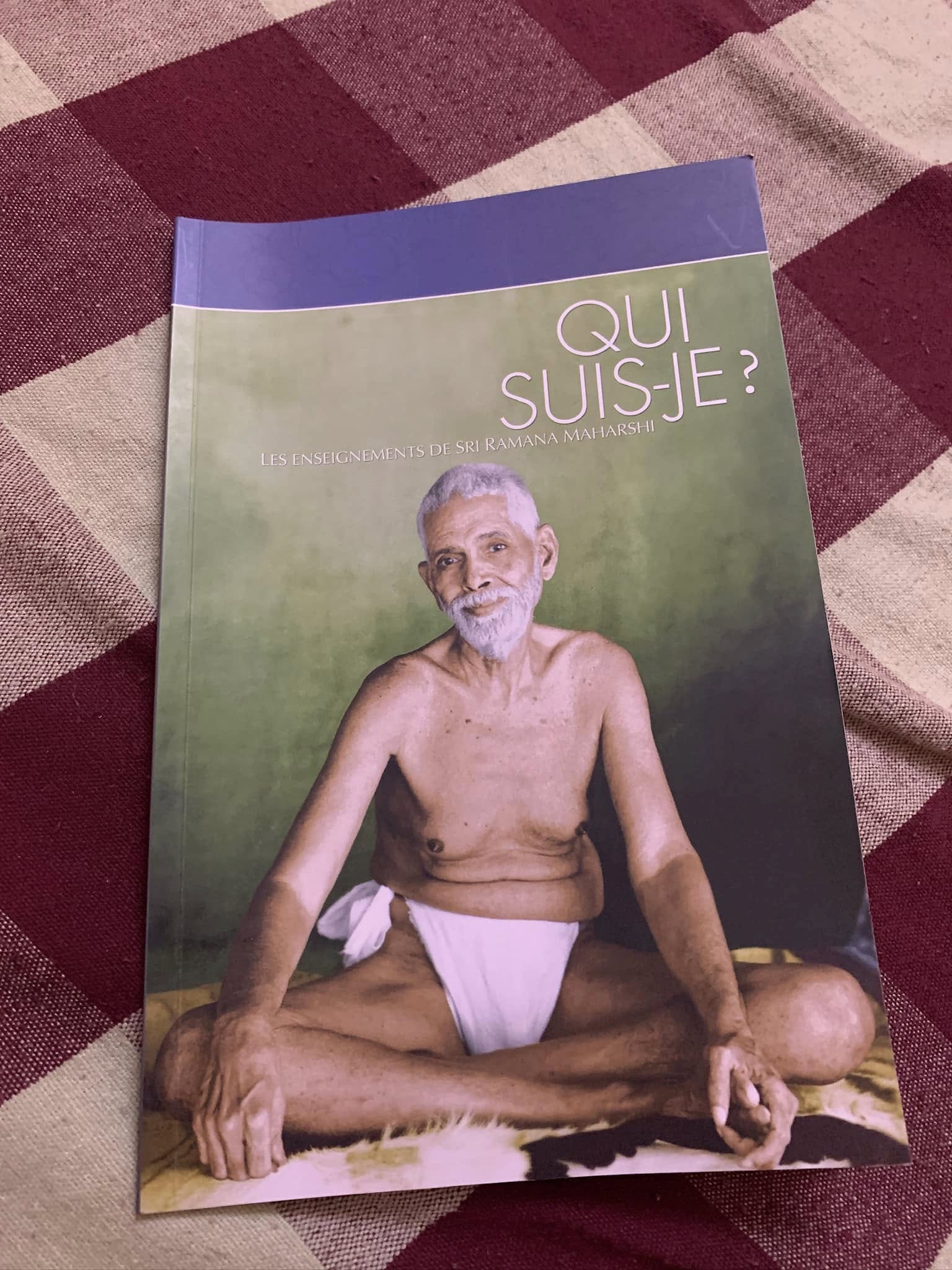
It is in the caves of this mountain that Sri Ramana Maharshi (1879-1950), considered one of the greatest sages of India, spent nearly 20 years in contemplation in silence. In 1922, an ashram was founded to accommodate the crowd of devotees who visited him to soak in his aura and follow his teachings, mainly centered on the notion of the Self and the question “Who am I?”.
75 years after his death, his ashram, which lives on donations, continues to offer free lodging and meals to the thousands of devotees who come from all over the world to gather and spend some time in silence and devotion to the rhythm of rituals, chants, readings, and offerings.
Having come here after hearing about this place several times, I only stayed 48 hours due to the incessant agitation and the constant noise of the city, a victim of its success. Just enough time, however, to get one of his books “Who am I?” to read with interest that Sri Ramana recommends a sattvic diet, breath control, and meditation as tools to calm the mind in order to realize the Self.
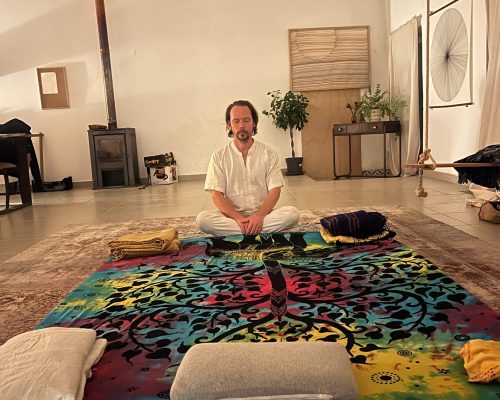
In the sattvic diet, we find the notions of “pure, essential, natural, vital, energetic, clean, conscious, and true.” A sattvic diet also respects Ahimsa, the principle of not harming other living beings. Living Nutrition is therefore sattvic, and with the Vipassana meditation (closest to the teachings of Buddha) that I practice daily, I see this visit as a confirmation that I am on the right path…
After a short stay at the ashram of Sri Ramana Maharshi, where I had to somewhat defend myself from the monkeys, as they too love jackfruit, I headed to the city center of Tiruvannamalai to take a sleeper bus to Coimbatore, 350 km away. Under a blazing sun, the frenetic agitation was at its peak, and the oversized horns of the countless buses making their way through the dense traffic were deafening. In the midst of the chaos, where I was directed to a different pick-up point each time I questioned a driver, I could not find the bus I had reserved. Overwhelmed by the intense energy of the place, I let go and simply got on the first bus (without a sleeper or toilet) that was pointed out to me, and 9 hours later, with a stop, I arrived at my destination.
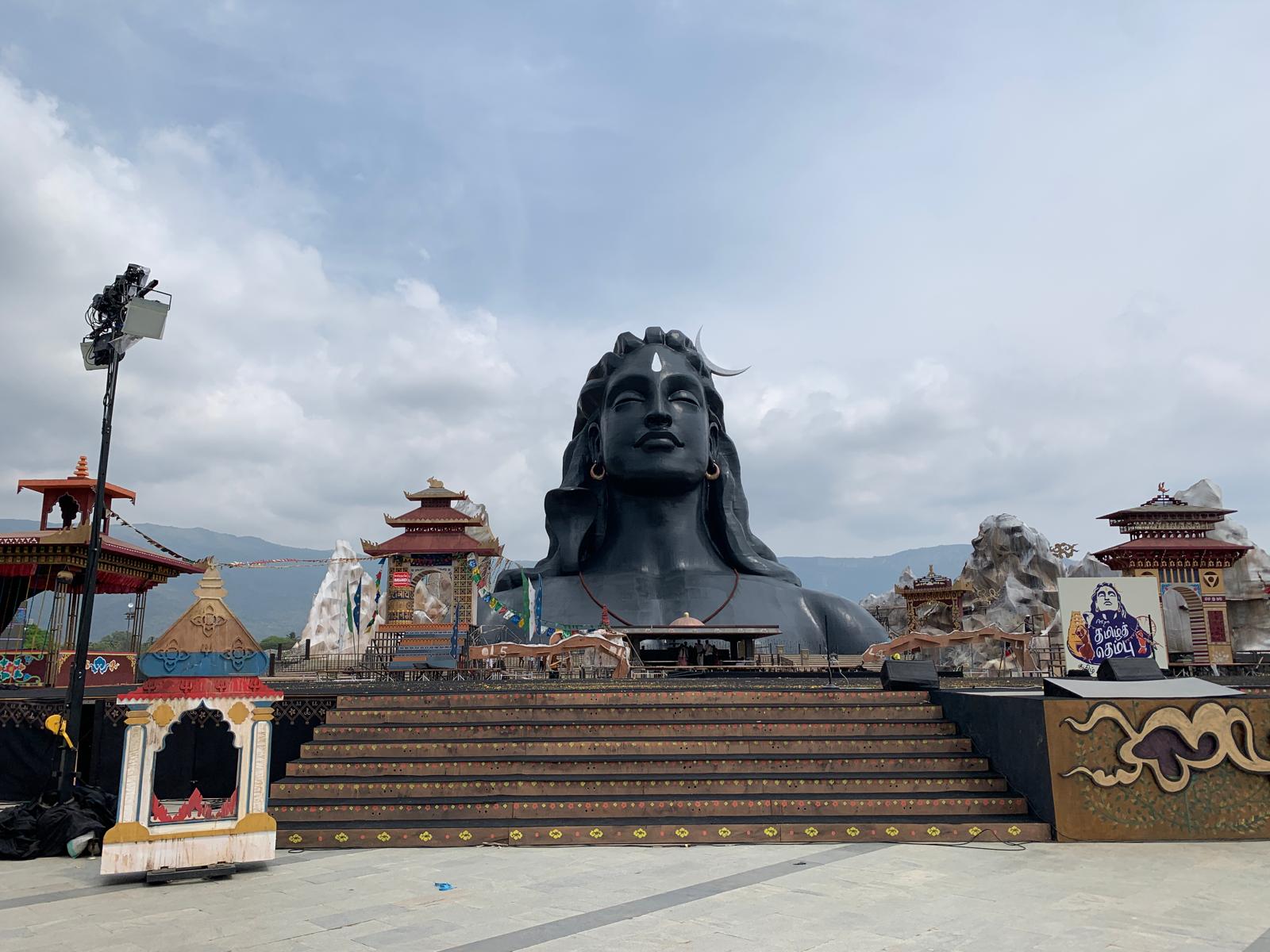
A few days later, I entered for the first time the ashram of Sadhguru, called Isha Yoga Center, which is located an hour by bus from Coimbatore. Ideally isolated among banana and coconut groves, far from the city, it is surrounded on three sides by a beautiful mountain range covered in forest. It was February 26, and I came to participate in Mahashivratri, a spiritual festival in honor of Shiva that takes place from 6 PM to 6 AM on a vast open field set up for the occasion. Open to all, with no entry fee required, a million people came from all over India to participate in this major event where drugs (legal or not) and animal products are not allowed. The entire night was animated with meditations guided by Sadhguru, concerts, and performances taking place right in front of Adiyogi, a 34m statue representing the bust of Shiva, the largest in the world.
The heart of the ashram is accessible by following a long paved path located behind Adiyogi. It is lined with stalls selling food, and regularly spaced speakers broadcast the guru’s voice singing “Shambho Mahadeva.”
You then arrive at a high archway where a giant cobra is sculpted into the wall. It is represented in stone or copper in all parts of the ashram as it symbolizes, in yogic tradition, the human aspiration to reach the peak of consciousness. Visitors pass under this archway under the watchful eyes of guards who check passage permits and luggage contents, like in airports, except that you must be barefoot… Once shoeless, the visitor then enters a small town mostly inhabited by young Indians animated by the energy of devotion and contemplation typical of all ashrams. The atmosphere evokes both a university campus (where they study inner engineering, the name given to Sadhguru’s online training) and an amusement park (with its shops, restaurants, and ticket counters where people queue).
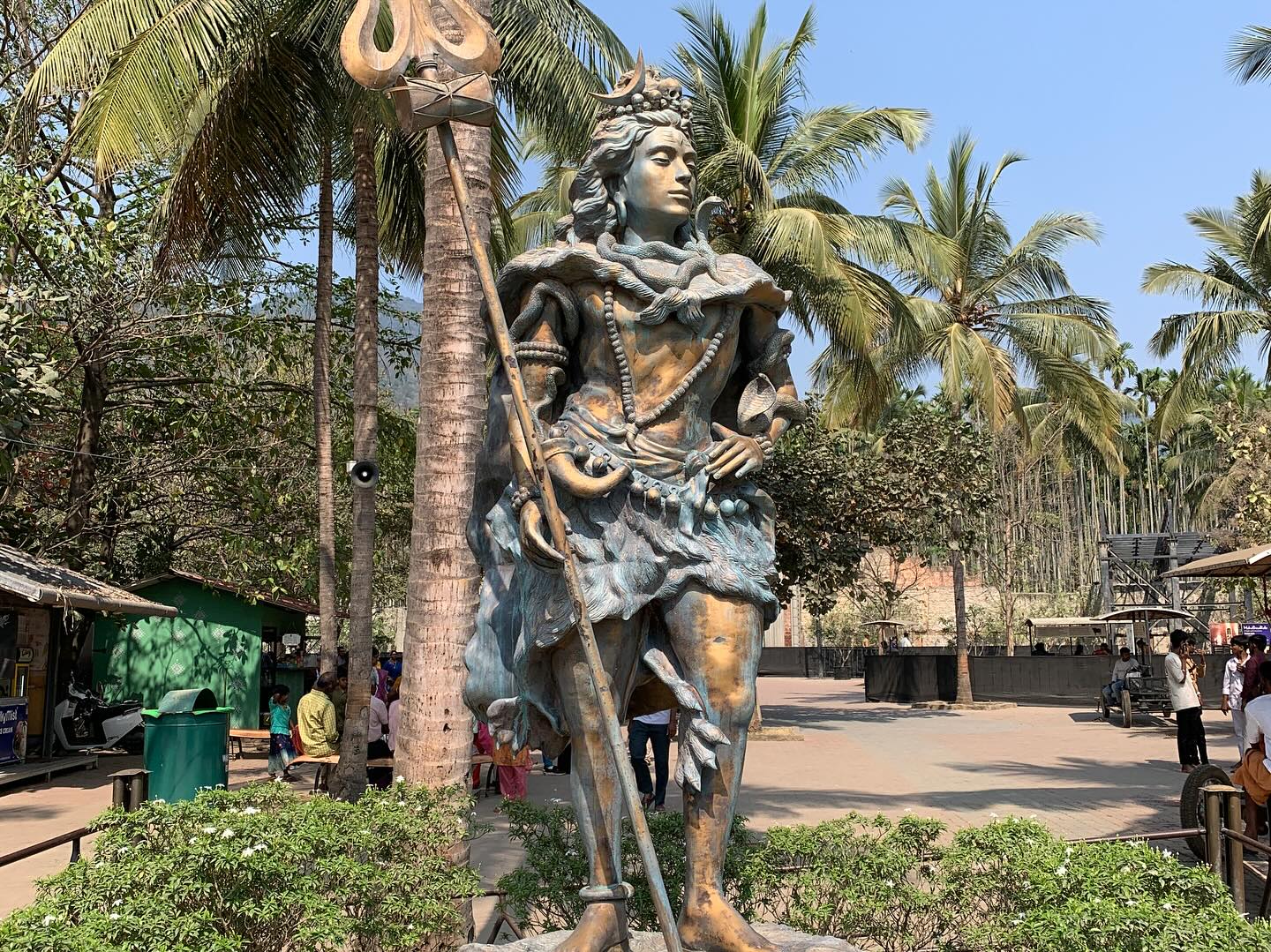
Amidst the flower gardens and statues, one discovers sumptuous buildings of impressive dimensions, whose stone blocks, columns, and sculptures recall ancient style. On a ground entirely paved with large granite slabs pleasant to the feet, one can access various remarkable buildings. There is the Suryakund (for men) and the Chandrakund (for women), which are beautifully decorated (cool) baths fed by a spring from the surrounding mountains. There is also the Linga Bhairavi, a temple dedicated to the goddess Shakti where practitioners come to connect with divine feminine energy. And its counterpart, the Dhyanalinga, a temple dedicated to Shiva and the masculine energy represented in the form of a linga, that is to say, a phallus, symbol of divine creative energy.
According to Sadhguru, the temple housing the Dhyanalinga is designed to last 5000 years; as for the Linga, which receives daily numerous offerings and prostrations from devotees, the Earth could be destroyed, and it would remain intact…
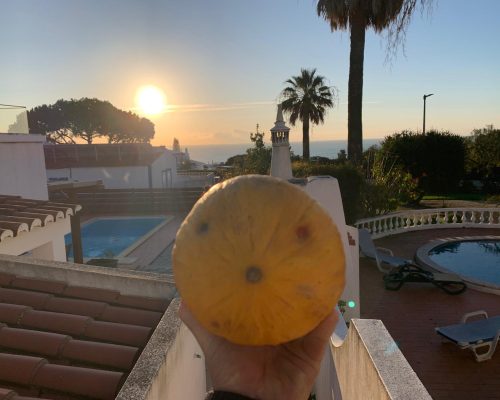
Visiting Sadhguru’s Isha Yoga Center was one of my priorities, and I was not disappointed with the trip as the place is magnificent and stands out, with its dynamism, from the previous ashrams I visited. Here, the founding guru is still alive, and the place is mainly frequented by youth. Everything is impeccably clean, and the organization is excellent. Initially, it was his open discourse on Living Nutrition that caught my attention. However, on-site, I owed my salvation to a small juice vendor who kindly agreed to sell me fruits by the piece. During meals, where we all sit on the floor on mats in silence, with Sadhguru’s singing voice as background music, there are very few raw fruits and vegetables (2 small bananas on lean days, a few slices of watermelon on feast days) but always more than in other ashrams. There is indeed a small grocery store (tiny compared to the place), but it gets emptied out with each arrival of fruits and vegetables. Nutrition is, however, a key element of the inner engineering dear to Sadhguru…
All ashrams have monastic rules to maintain a certain order and ensure an atmosphere conducive to study and learning. For example, one of the common rules in all ashrams is dress code. We are required to wear pants (not tight) and a top with sleeves (without a neckline) regardless of the heat. At Isha Yoga Center, vigilance is necessary not to transgress the many rules, some of which are changing or even contradictory. Even if everyone calls each other big brother or big sister (anna and akka), one can sometimes be reprimanded without kindness by Sadhguru’s young monks (the swamis) or the nonchalant staff who do not always hide their weariness at seeing so many people pass by.
That said, I was left in awe of Sadhguru’s achievement in managing to create this oasis amidst the chaos of India. Here, for a modest sum or by volunteering, youth can find themselves in clean nature, in peace, bathe in mountain water, eat balanced meals (from an Ayurvedic perspective), and stroll through flowered parks, with pleasant fragrances where squirrels and peacocks frolic carefree. An exceptional success! However, one must abandon any desire to stretch their legs in the surroundings as the ashram is surrounded by a high fence with barbed wire like in military camps. There are also hundreds of cameras monitoring everything that happens in the ashram day and night.
After all, this is not a vacation center but rather a vast training ground offering several yoga programs. For this, it is necessary to have previously completed the online training “Inner Engineering.” Having been unable to validate it twice, due to a power cut when I was in Sri Lanka and later due to an unstable 4G network, I settled for the testimonies of those who had followed the programs. All feedback was enthusiastic, and I understood that an important place was reserved for rituals and devotion. This approach does not suit me, but it seems that Sadhguru is establishing a vast program to reintroduce yoga to Indians with the ambition to extend it to the whole world. To be continued…